Matthew 7:13-23 The Narrow Road to the Kingdom
“Enter through the narrow gate. For the gate is wide and the road is broad that leads to destruction, and there are many who go through it. How narrow is the gate and difficult the road that leads to life, and few find it. “Beware of false prophets who come to you in sheep’s clothing but inwardly are ravaging wolves. You’ll recognize them by their fruit. Are grapes gathered from thorn bushes or figs from thistles? In the same way, every good tree produces good fruit, but a bad tree produces bad fruit. A good tree can’t produce bad fruit; neither can a bad tree produce good fruit. Every tree that doesn’t produce good fruit is cut down and thrown into the fire. So you’ll recognize them by their fruit. “Not everyone who says to Me, ‘Lord, Lord!’ will enter the kingdom of heaven, but only the one who does the will of My Father in heaven. On that day many will say to Me, ‘Lord, Lord, didn’t we prophesy in Your name, drive out demons in Your name, and do many miracles in Your name?’ Then I will announce to them, ‘I never knew you! Depart from Me, you lawbreakers!’
Many years ago, a friend and I were at a convention trying to find the meeting room for the large group session. You would think it would be easy to find, but we discovered that wasn’t the case. Just follow the crowd, we thought. All those people must know where they’re going, right? Well, they did. Unfortunately for us, we had been following the wrong crowd. They were going to a large group session alright, just not ours. Unbeknown to us, there were two large conventions going on at the same time. We had stumbled into the other one. Meanwhile, our meeting was taking place in another room off the main drag. We weren’t the only that got lost along the way either. Several people made the same mistake. Enter through the narrow gate – the one that’s a bit hard to find and the masses aren’t going there. The way is difficult, but it leads to life. If it’s too easy, it’s probably not the right way.
As we near the end of Jesus’ sermon on the mount, we have some final warnings. I am putting it into three sections: walk the narrow gate, beware of false prophets and not everyone who says Lord, Lord will enter the kingdom of heaven. It’s getting serious and we better pay attention. Each warning comes with it’s own caveat. Each warning is progressively more personal. And, each warning deals with the heart – what’s really inside.

Jesus said in John 10:9 “I assure you: I am the door of the sheep. All who came before Me are thieves and robbers, but the sheep didn’t listen to them. I am the door. If anyone enters by Me, he will be saved and will come in and go out and find pasture. A thief comes only to steal and to kill and to destroy. I have come so that they may have life and have it in abundance.” The narrow gate, which leads to life, is small and hard to find while the gate that leads to desolation and terror is broad and many people go that way. Jesus is reminding us that the kingdom of heaven is for the poor in spirit. In order to enter the gate, we must come with a humble heart ready to yield to God. It is not a gate that can be found by the prideful or arrogant. Only those who can submit to the Lordship of Christ can discover this very hard to find gate. For He is the gate. He is the door to eternal life. He is the One who is the way the truth and the life and no one comes to the Father except through Him (John 14:6). The whole idea of going through the narrow gate is filled with words we don’t like. Words like yield and submit. They are “weak” words. And that is the point, for when we are weak, we are strong. It is only in our weakness that we understand grace’s sufficiency. It is only in our weakness that we turn to the One who gives us all grace. He is the narrow gate – enter into the kingdom of heaven through Him.

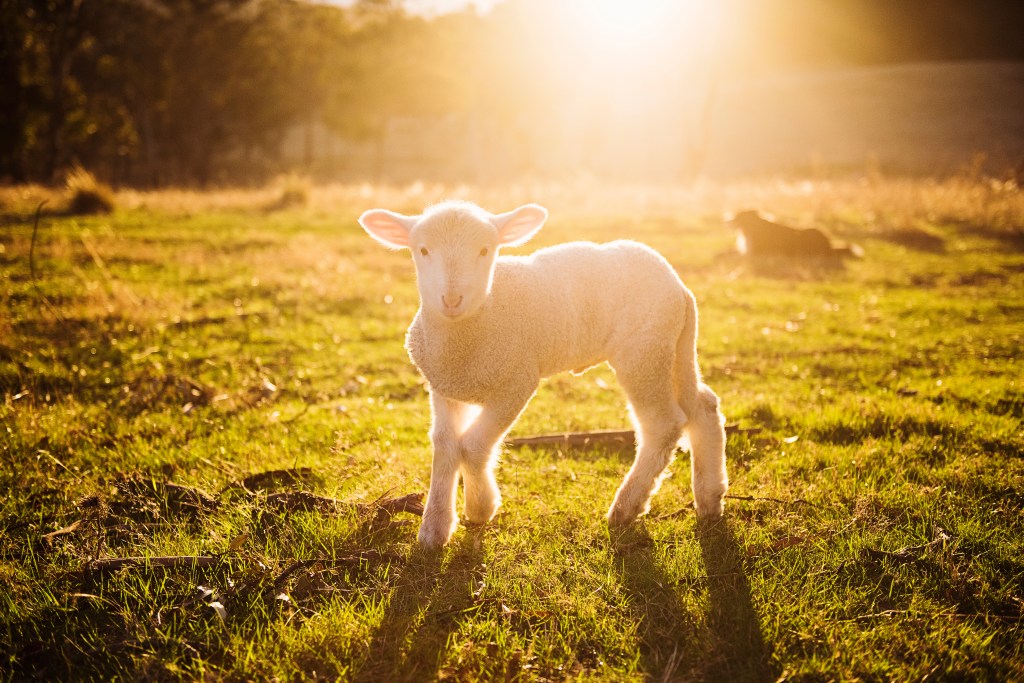
We are to be on the look out for false prophets. He says they will be wolves dressed up in sheep’s clothing. They look like sheep, they can even smell like sheep, but they are not sheep. 2 Peter 2:1-3 says, “But there were also false prophets among the people, just as there will be false teachers among you. They will secretly bring in destructive heresies, even denying the Master who bought them, and will bring swift destruction on themselves. Many will follow their unrestrained ways, and the way of truth will be blasphemed because of them. They will exploit you in their greed with deceptive words. Their condemnation, pronounced long ago, is not idle, and their destruction does not sleep.” 1 John 4:1 says, “Dear friends, do not believe every spirit, but test the spirits to determine if they are from God, because many false prophets have gone out into the world.” So we can see that Jesus words here were taken very seriously by his disciples and then passed on again to other believers. False prophets are sneaky and have our destruction in mind. But Jesus gives us a clue as to how to spot them. They will be known by their fruit.
A prophet is going to either produce good fruit or bad fruit. You can dress up a thistle to look like a fig tree all you want, but it will never give you figs. You can make a thorn bush look like a grapevine, but it will never give you grapes. Paul tells us in Galatians 5:19-26 The acts of the flesh are obvious: sexual immorality, impurity and debauchery; idolatry and witchcraft; hatred, discord, jealousy, fits of rage, selfish ambition, dissensions, factions and envy; drunkenness, orgies, and the like. I warn you, as I did before, that those who live like this will not inherit the kingdom of God. But the fruit of the Spirit is love, joy, peace, forbearance, kindness, goodness, faithfulness, gentleness and self-control. Against such things there is no law. Those who belong to Christ Jesus have crucified the flesh with its passions and desires. Since we live by the Spirit, let us keep in step with the Spirit. Let us not become conceited, provoking and envying each other. You can see here the good and bad fruit. The false prophet will always end up producing discord and their selfishness will always come through. While those who are true prophets will produce the fruit of the spirit. They will exhibit the beatitudes. Remember the lesson on judging? We are not to judge others (krino) out of a wrong motivation, but we are to judge (anakrinei) or to examine and discern right from wrong, falsehood from truth. As 1 John says, test the spirits. Make sure it is truth. Don’t be led astray by false prophets who teach false teachings. They will be known by the fruit they produce.
This is the one that we should all take a good examination of. During the reign of King Saul, he was told by God to go and totally destroy the Amalekites. So what does Saul do? He goes and destroys, BUT, he also keeps the king alive and plunders all the goodies, bringing them back. He then goes up Mount Carmel and sets up a monument in his own honor. When confronted by Samuel, he thinks he can get away with it. First he tells Samuel he carried out God’s instruction. Samuel asks him about the bleating noises. Then Saul tells him he only kept the king alive and the best of the cattle so he could sacrifice them to God. Samuel’s response? “Enough!” Samuel said to Saul. “Let me tell you what the Lord said to me last night.” “Tell me,” Saul replied. Samuel said, “Although you were once small in your own eyes, did you not become the head of the tribes of Israel? The Lord anointed you king over Israel. And he sent you on a mission, saying, ‘Go and completely destroy those wicked people, the Amalekites; wage war against them until you have wiped them out.’ Why did you not obey the Lord? Why did you pounce on the plunder and do evil in the eyes of the Lord?” “But I did obey the Lord,” Saul said. “I went on the mission the Lord assigned me. I completely destroyed the Amalekites and brought back Agag their king. The soldiers took sheep and cattle from the plunder, the best of what was devoted to God, in order to sacrifice them to the Lord your God at Gilgal.” But Samuel replied: “Does the Lord delight in burnt offerings and sacrifices as much as in obeying the Lord? To obey is better than sacrifice, and to heed is better than the fat of rams. For rebellion is like the sin of divination, and arrogance like the evil of idolatry. Because you have rejected the word of the Lord, he has rejected you as king.” It wasn’t about the act – it was about the heart. Saul tried to dress it up as some grand sacrifice for the Lord, but God knew his heart. He knew of the monument Saul had set up for himself. He knew of the arrogance. Samuel even gives him every opportunity to repent, but Saul, in his arrogance, thinks he can deceive him. Again, it is the poor in spirit who will enter the kingdom of heaven. It is those who hunger and thirst after righteousness, those who mourn, are humble, are merciful. Those who’s hearts are right. Samuel reminds us that obedience is better than sacrifice. It’s not what we “do” it’s the fruit we produce.
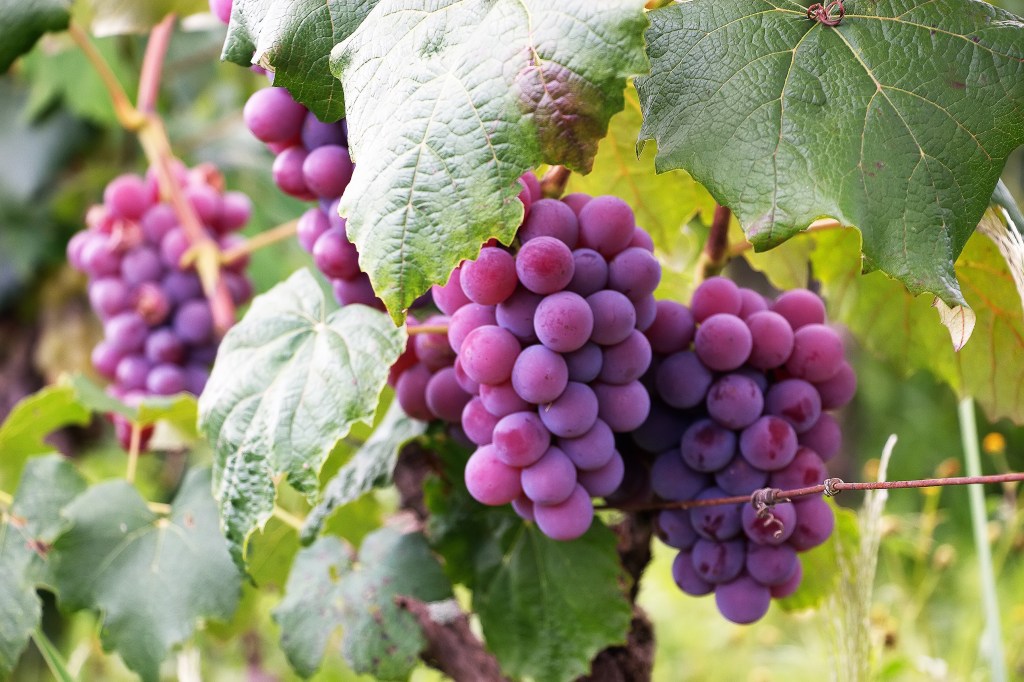
So, enter the narrow gate. Yield, submit, become poor in spirit – for then you will enter the kingdom of heaven. In our weakness, we discover God’s sufficient grace. Look out for false prophets. Don’t be fooled by the wolf in sheep’s clothing. Look at the fruit they are producing. Is it the fruit of discord, chaos and pride or is it the fruit of the spirit? And finally, search your heart. Is there anything in it that needs to be confessed? Is there anything pride or self serving attitudes? The difference between Saul and David isn’t lack of sin. Far from it. The difference is the response to it. While Saul tried to deceive God, David understood his sin and truly repented. What’s in the heart matters. To sum this up, in John 15:1-8 Jesus says, “I am the true vine, and My Father is the vineyard keeper. Every branch in Me that does not produce fruit He removes, and He prunes every branch that produces fruit so that it will produce more fruit. You are already clean because of the word I have spoken to you. Remain in Me, and I in you. Just as a branch is unable to produce fruit by itself unless it remains on the vine, so neither can you unless you remain in Me. “I am the vine; you are the branches. The one who remains in Me and I in him produces much fruit, because you can do nothing without Me. If anyone does not remain in Me, he is thrown aside like a branch and he withers. They gather them, throw them into the fire, and they are burned. If you remain in Me and My words remain in you, ask whatever you want and it will be done for you. My Father is glorified by this: that you produce much fruit and prove to be My disciples.
 Bible Study Blog