The Feasts of Israel: An Introduction
How many of us have done a “read through the Bible in a year”? It’s a great experience if you have never done it. But, if you have, you know everything goes smooth until you get to the book of Leviticus. With its many offerings, mold and food laws and tedious details, Leviticus is a tough read. We’ve all been there. We try to struggle through though only to get to the next book: Numbers… Or, maybe you just gave up after chapter 3 of Leviticus and skipped over to Joshua. I will admit, at first glance Leviticus is not the most exciting book in the Bible. So, I want us to take a second glance. This time, let’s look at Leviticus for what it really is. Not a book detailing how an offering is to be presented or a series of rules and regulations to be followed, but as a book demonstrating the mercy and grace of God. A book foretelling the coming Messiah. A book giving us a picture of the holiness and righteousness of God.

I think we often forget that God is holy. We know it in theory, but we don’t really put enough emphasis on it. Instead, we concentrate on the fact that God is love and that He forgives – which He is and He does, but, we are not grounded in the fact that God is holy and asks us to be holy. 1 Peter 1:13-16 says, “Therefore, with your minds ready for action, be serious and set your hope completely on the grace to be brought to you at the revelation of Jesus Christ. As obedient children, do not be conformed to the desires of your former ignorance. But as the One who called you is holy, you also are to be holy in all your conduct; for it is written, Be holy, because I am holy.” And where is this written? Leviticus 11:44: “For I am Yahweh your God, so you must consecrate yourselves and be holy because I am holy.” And again in Leviticus 19:2, “Speak to the entire Israelite community and tell them: Be holy because I, Yahweh your God, am holy.” And once again in Leviticus 20:7, “Consecrate yourselves and be holy, for I am Yahweh your God.” What I don’t want us to miss in 1 Peter is this: not only are we are to set our hope on the grace that came to us through Jesus Christ, but we are also to be obedient, striving to be holy as God is holy. In other words, grace does not negate our need to be holy. As Paul said “What should we say then? Should we continue in sin so that grace may multiply? Absolutely not!” Romans 6:1-2. It’s a high calling to be sure! Holiness is basically impossible, and that’s why we are in need of salvation through the grace of God. For you see, holiness only comes when we are empowered by the Holy Spirit. This is why Leviticus is so important. It shows us our need for salvation and the grace so we can be holy.
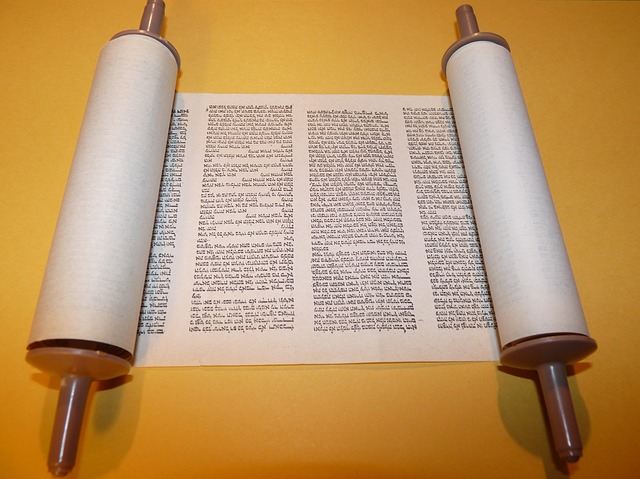
In a earlier study I pointed out that the Torah, or law, has often been misunderstood. We see the law as a bad thing, but, in all reality, it is God’s law, so it is therefore holy and a good thing. The law is not just a set of rules for us to follow, it is God’s standard for holiness and righteousness. When we realize God set up the law, not for us to be able to follow, but to show us His standard for holiness, then we understand our need for grace and salvation. Before you go away thinking God has set us up here, I want to assure you, we will discover a whole lot of mercy and grace embedded in the law. God has always been merciful. He has always wanted to give us grace and love. At the same time, there will always be consequences to our disobedience to God – to our sin. And these consequences are real!
With the original sin of Adam and Eve, death, pain, toil, sickness… all came into being. And those are pretty awful. But not in comparison to what we really lost. The worst thing we lost was having fellowship and a relationship with a holy, righteous, Almighty God. Think about it. Before their sin, Adam and Eve walked with God in the garden. They had constant fellowship with Him. They met with Him face to face. But after their sin, that fellowship was broken and there was no way they could mend it. There was nothing they could do. It had to be up to God to mend their (our) brokenness. So, in His amazing grace and mercy, He gifted us with the law. And it is a gift by the way! This is where we dispel another incorrect view of the law. Many of us have been taught that the law has been done away with. I will say it clearly – this is a wrong assessment. We must understand that there is a difference between something that has been fulfilled and something that has been done away with. Jesus never stated that He came to do away with the law. No, He came to fulfill it. He said so very clearly in Matthew 5:17, “Don’t assume that I came to destroy the Law or the Prophets. I did not come to destroy but to fulfill.” By fulfilling the Law, Jesus made it so we are no longer under the law. So, if we are no longer under the law, what are we under? We are now under the grace and mercy of the One who came to dwell among us, who died for us on the cross and who rose again conquering sin and death because He fulfilled the law.

And that brings us back to Leviticus and the law. It is the gift of God to us to show us His great mercy, grace and love. For you see, God did not have to give us a law at all. He did not have to establish a host of sacrifices and offerings for us to be forgiven and have a relationship with Him. He did not have to establish the dietary laws and mold laws and all the other laws to keep us safe, healthy and in right relationships. But, he loved us so much that He did all this and more. Knowing we would never be able to on our own be holy as He is holy and knowing we would never be able to keep his holy law, He came to dwell with us, teach us, die for us and then rose to conquer the death and sin WE brought into the world. He did this so we could re-establish a relationship with Him once again.
So, as we walk through Leviticus, and specifically the feasts God gave the people of Israel to celebrate, we will make several discoveries. First, we find they were given so the people would remember the goodness of God, and how He had blessed them in the past. Second, we will find the Messiah. For each festival is a foreshadowing of the future blessings to come through the hope we have in Jesus. And third, the fall festivals are a further foreshadowing of the Coming of the Lord. This study will enable us to rediscover the feasts God created so we can receive the full blessing God has for us. We will remember what He has done, celebrate what He continues to do through Jesus Christ, and rejoice in the hope we have in God through Christ.
 Bible Study Blog