The Feasts of the Lord – Passover — Leviticus 23:4-8
“These are the Lord’s appointed times, the sacred assemblies you are to proclaim at their appointed times. The Passover to the Lord comes in the first month, at twilight on the fourteenth day of the month. The Festival of Unleavened Bread to the Lord is on the fifteenth day of the same month. For seven days you must eat unleavened bread. On the first day you are to hold a sacred assembly; you are not to do any daily work. You are to present a fire offering to the Lord for seven days. On the seventh day there will be a sacred; you must not do any daily work.”
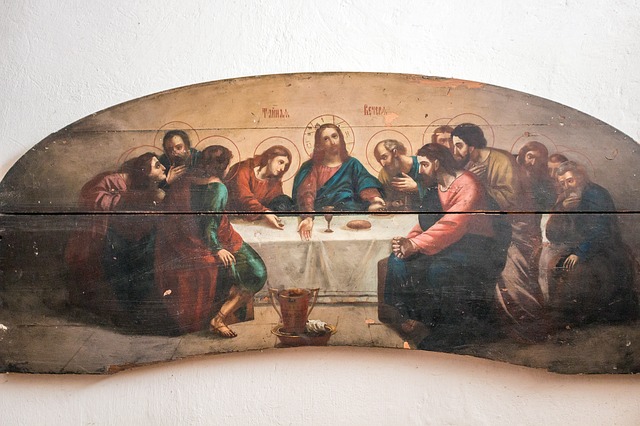
As we begin to look at Jesus as the fulfillment of the law, we must look at the feasts and observances God laid out for His people. For in these, we find God’s plan for redemption. We start with Passover, the first of the feasts. What we will find within each element of the Passover is a picture of Christ’s life, death, burial and resurrection. And so, as we begin our study of the Passover, we find ourselves in Jerusalem in an upper room with Jesus and His disciples at His last supper.
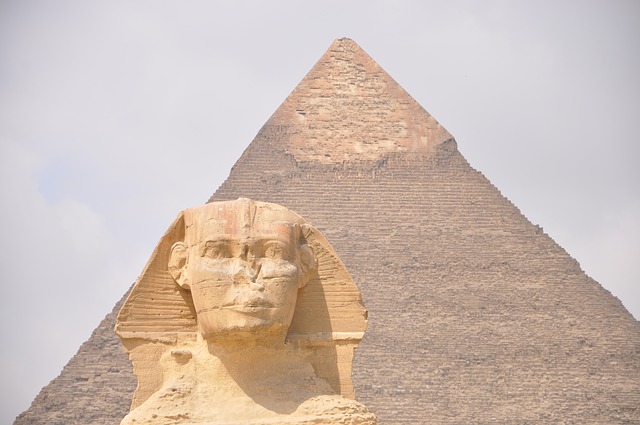
The observance of Passover, Pesach in Hebrew, is related to Israel’s exodus from Egypt. The name “Pesach” means to pass through, to pass over, or to spare. It refers to God “passing over” the people of Israel when the firstborn of Egypt were struck down. There are two significant elements of Passover: the lamb and the unleavened bread. The lamb was the sacrifice and its blood was placed on the doorposts so God would pass over the houses of the Israelites. The unleavened bread (matzah) symbolizes the removing the “puffiness” or arrogance, pride and sin from our souls.
The Feast of Unleavened Bread is celebrated through a meal called a “Seder”, which means order in Hebrew as the meal a specific order to it. The text of the Pesach seder is written in a book called a Haggadah. It tells the story of the exodus from Egypt. Deut. 6:20-21 explains: “When your son asks you in the future, ‘What is the meaning of the decrees, statutes, and ordinances, which the Lord our God has commanded you?’ tell him, ‘We were slaves of Pharaoh in Egypt, but the Lord brought us out of Egypt with a strong hand.” Each element of the seder has symbolic significance. From the lighting of the candles to the last cup of wine, we see God’s great work in the lives of His people, and the work of salvation through the Jesus the Messiah.

Birkat HaNer: Lighting of the Candles by the woman of the house. The light of the world was brought into the world through a woman so it is fitting she light the candles for Passover. “Then the angel told her: Do not be afraid, Mary, for you have found favor with God. Now listen: You will conceive and give birth to a son, and you will call His name Jesus. He will be great and will be called the Son of the Most High, and the Lord God will give Him the throne of His father David. He will reign over the house of Jacob forever, and His kingdom will have no end. Luke 1:30-33. Jesus is the light of the world, illuminating both our need for and the way to salvation.
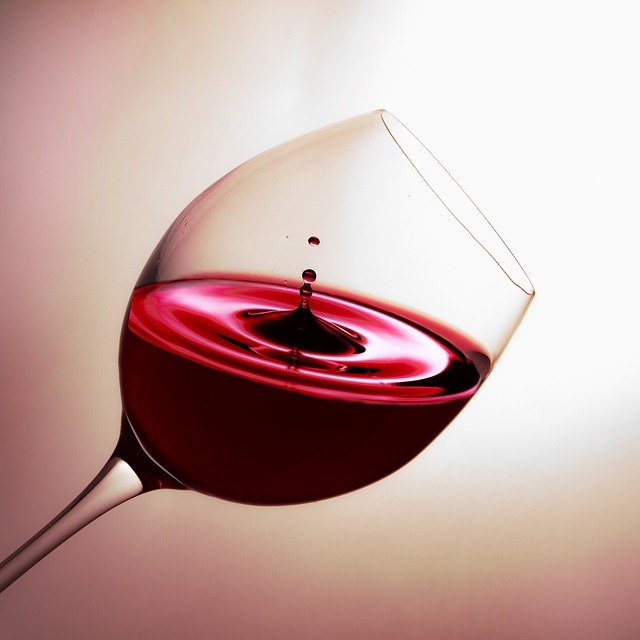
Kiddush: The Cup of Sanctification. There are four cups of wine during the seder and this is the first. Sanctification is the act of declaring something holy or set apart. The Passover Seder is a holy event given to us by God to celebrate His redemption of His people. The cup is filled to overflowing because of the joy we have in the fact that God has rescued and redeemed us. As believers in Jesus, we celebrate Christ’s redemption on the cross. Our joy is complete!
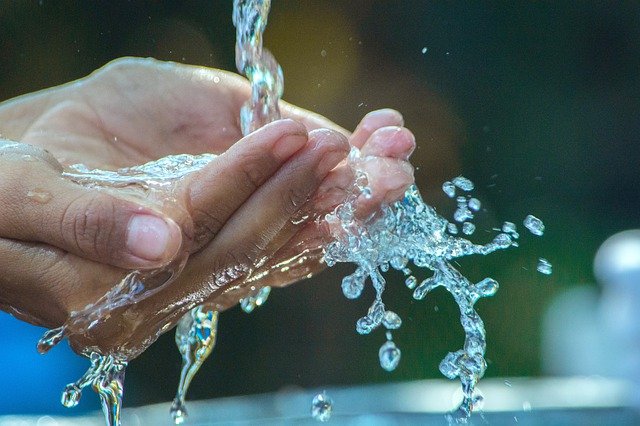
Urchatz: Washing of the Hands. This is a gesture of personal sanctification as we enter into Passover. Psalm 24:4 reminds us who can stand in the holy place of God, “The one who has clean hands and a pure heart, who has not set his mind on what is false, and who has not sworn deceitfully.”
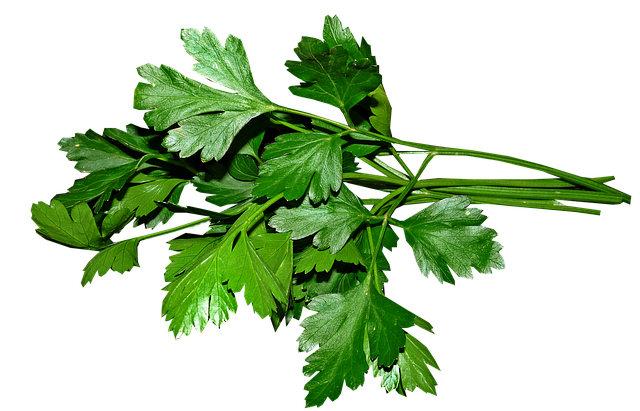
Karpas: Parsley dipped in salt water. The parsley represents the hyssop that was dipped in the blood of the Passover lamb, then used to place that blood over the doorposts so God would pass over them. The salt water represents the tears that were shed as well as the Red Sea they passed through. Christ, our Passover Lamb, died for us and through his blood, we have salvation. Christ’s death was bitter and there were tears, but hope is in the future. Just as the Israelites passed through the Red Sea, we too will pass through death to life in Christ. “If you address as Father the One who impartially judges according to each one’s work, conduct yourselves in fear during the time of your stay on earth; knowing that you were not redeemed with perishable things like silver or gold from your futile way of life inherited from your forefathers, but with precious blood, as of a lamb unblemished and spotless, the blood of Christ. For He was foreknown before the foundation of the world, but has appeared in these last times for the sake of you who through Him are believers in God, who raised Him from the dead and gave Him glory, so that your faith and hope are in God.” 1 Peter 1:17-21
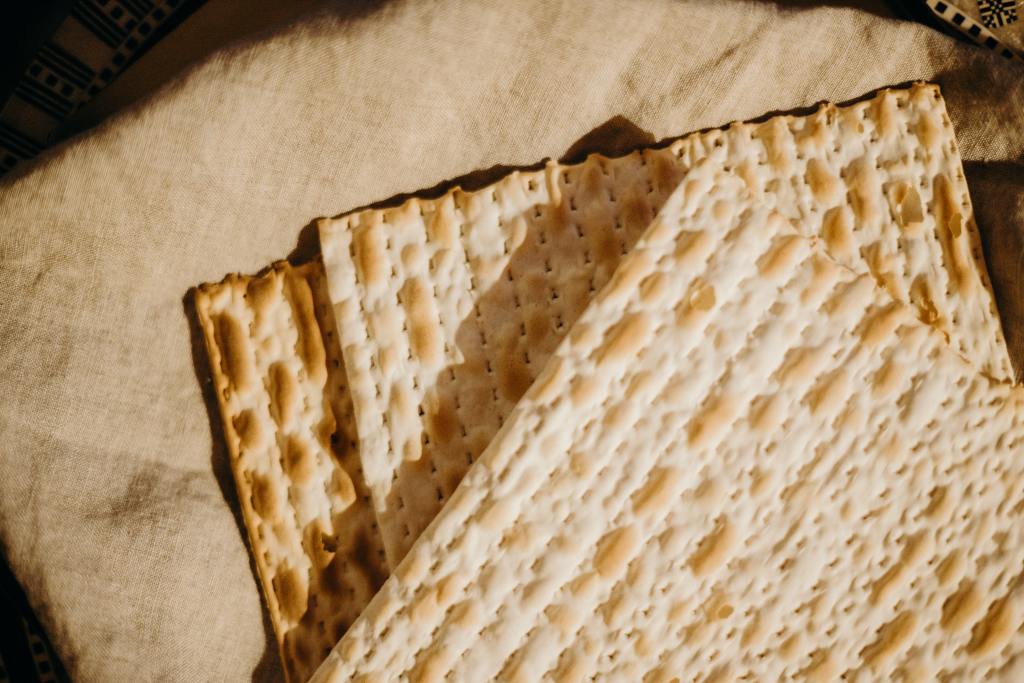
Yachatz: The breaking of the middle Matzah. One of the most important elements of the seder and of Passover is the Unleavened Bread or Matzah. Leaven represents sin, so, before Passover begins, all forms of leaven have been swept from the house as a symbol of our need to confess our sins. 1 Corinthians 5:7-8 says, “Clean out the old leaven so that you may be a new lump, just as you are in fact unleavened. For Christ our Passover also has been sacrificed.” Therefore let us celebrate the feast, not with old leaven, nor with the leaven of malice and wickedness, but with the unleavened bread of sincerity and truth.” The Unleavened Bread represents the pure and sinless life of Christ. Three Matzos are used at the seder. They represent the three patriarchs of Israel: Abraham, Issac and Jacob or the three aspects of worship: priests, Levites and the people of Israel. Believers in Jesus can see the representation of God the Father, God the Son and God the Holy Spirit. This is made even more clear as the middle Matzah is removed, broken, wrapped in a cloth and hidden away for a time. It is known as the afikoman, which means dessert, and is the last bread eaten at the seder. Jesus was broken for our transgressions, he was buried and has been resurrected.
The next portion of the seder is the Maggid: telling of the story of Passover and Ma-Nishtanah: the four questions asked by a child. The word Maggid actually means a traditional Jewish religious itinerant preacher, skilled as a narrator of Torah and religious stories. We know Jesus is the Maggid. He both tells and represents the story of Passover. Ma-Nishtanah is the first words of the questions asked by the child – “Why is tonight different from all other nights?” In Matthew 18, Jesus reminds us to come as children. ”At that time the disciples came to Jesus and said, “Who is greatest in the kingdom of heaven? Then He called a child to Him and had him stand among them. “I assure you,” He said, “unless you are converted and become like children, you will never enter the kingdom of heaven. Therefore, whoever humbles himself like this child—this one is the greatest in the kingdom of heaven. And whoever welcomes one child like this in My name welcomes Me.” So that night, the disciples asked the Maggid the questions of Passover and Jesus told them the story. A story of redemption, rescue, provision and love.

The 10 Plagues, Dayenu and Makkot At the conclusion of the story, the cup of plagues is filled. With this cup, the participants recite each plague while dipping their finger into the cup and taking out a drop for each one, thus reducing the joy of the cup. Before the cup of plagues is drunk, we must be reminded once again that no matter what – Dayenu, which means it would have been enough. The leader makes a series of declarations to which all reply Dayenu (it would have been enough). There are several phrases, but here are just a few to give you the idea. Had God done nothing but save us from the land of Egypt… Dayenu! Had God done nothing more than lead us through the Red Sea… Dayenu! Had God given us nothing more than the Torah… Dayenu! Had God done nothing more than to give us manna and water in the wilderness… Dayenu! Had God done nothing more than bring us to the Promised Land… Dayenu! You get the idea. It ends with this: But God did all this and more praise be He! And then we sing the Dayenu song. Believers in the Messiah will add – Had God done nothing more than send Jesus to the world – Dayenu! Had Jesus done nothing more than heal the sick and feed the hungry – Dayenu! But He did more than this praise be He! He died for our sins and He is Enough – Dayenu! It is now time to drink the Makkot: cup of plagues. We can say Hallelujah for the great redemption God has done on our behalf. This redemption came at a terrible price: in Egypt, the death of the first born; for Jesus, death on a cross. “For God so loved the world, that He gave His only begotten Son, that whoever believes in Him shall not perish, but have eternal life.” (John 3:16)
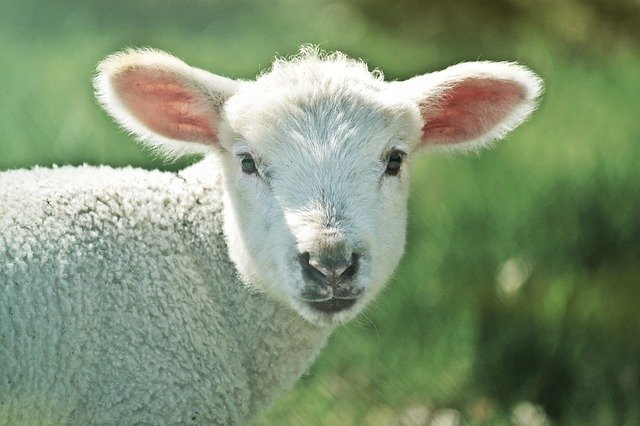
Zeroah or Pesach: The Lamb Shankbone. The lamb shankbone sits on the Passover plate as a reminder of the first Passover lamb sacrificed for the children of Israel, whose blood was applied to the lintel and doorposts of their homes. It is also a reminder of Jesus, who is the spotless Lamb of God. “The next day John saw Jesus coming toward him and said, “Here is the Lamb of God, who takes away the sin of the world!” John 1:29.

Rachtzah – The second washing of the hands. Jesus used this portion of the seder to go a bit further. “Jesus knew the Father had given everything into His hands, that He had come from God, and that He was going back to God. So He got up from supper, laid aside His robe, took a towel, and tied it around Himself. Next, He poured water into a basin and began to wash His disciples’ feet and to dry them with the towel tied around Him… When Jesus had washed their feet and put on His robe, He reclined again and said to them, “Do you know what I have done for you? You call Me Teacher and Lord. This is well said, for I am. So if I, your Lord and Teacher, have washed your feet, you also ought to wash one another’s feet. For I have given you an example that you also should do just as I have done for you. “I assure you: A slave is not greater than his master,and a messenger is not greater than the one who sent him. If you know these things, you are blessed if you do them. I’m not speaking about all of you; I know those I have chosen. But the Scripture must be fulfilled: The one who eats My bread has raised his heel against Me” Luke 13:3-5; 12-18. This was both a time for Jesus to teach us to be servants and a time for Him to reveal that someone would betray him.

Motzi Matzot, Maror and Korech: This is the point of the seder where a portion of the matzah is eaten and then dipped twice, first in maror or bitter herb and then again in the maror and then covered with charoset and eaten as a korech (sandwich). Maror is horseradish, very bitter indeed! Charoset is a sweet mixture of apples, cinnamon, wine and honey meant to represent the mortar used to make the bricks in Egypt. This combination of bitter and sweet reminds us that even in the midst of bitterness there is hope and joy in God. It becomes even more significant when you read this: “When Jesus had said this, He was troubled in His spirit and testified, “I assure you: One of you will betray Me!” The disciples started looking at one another uncertain which one He was speaking about. One of His disciples, the one Jesus loved, was reclining close beside Jesus. Simon Peter motioned to him to find out who it was He was talking about. So he leaned back against Jesus and asked Him, “Lord, who is it?” Jesus replied, “He’s the one I give the piece of bread to after I have dipped it.” When He had dipped the bread, He gave it to Judas, Simon Iscariot’s son” John 13:21-26. I can’t imagine the hurt Jesus must have felt to have one of his own betray him. A bitter experience indeed. But, he knew, just like the sweet charoset, there is always hope.

Beitzah: a roasted egg. Since the destruction of the second temple, an egg has been added to the seder plate to represent the korban chagigah or festival sacrifice which was roasted lamb. We know there is no more need for this sacrifice as Jesus paid the ultimate price on the cross for our redemption.
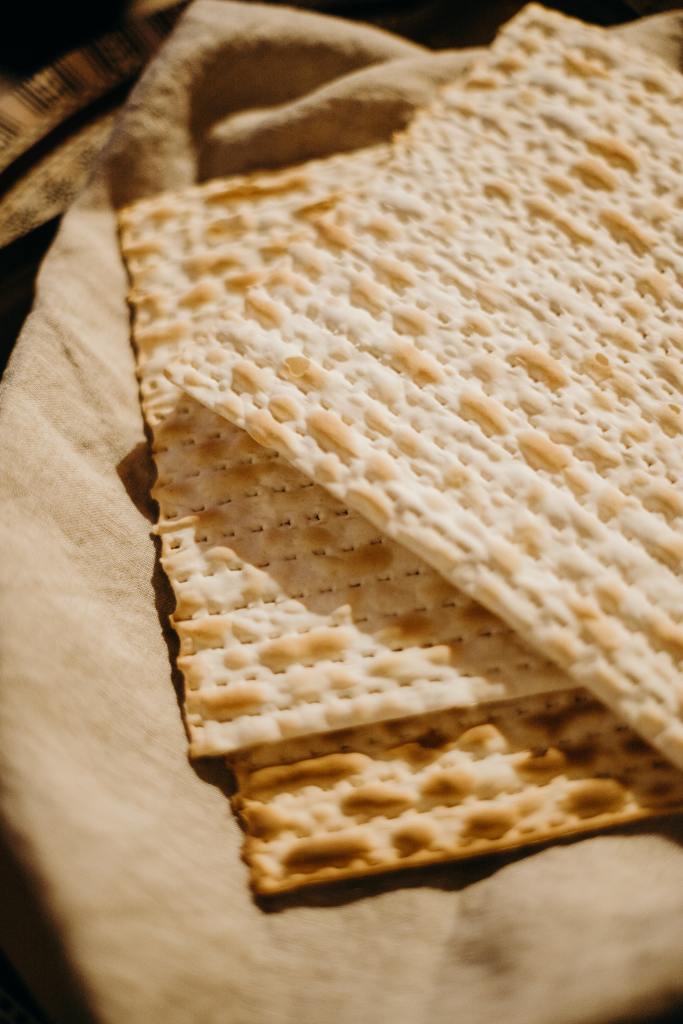
Shulchan Orech and Tzafun. At this time, the first portion of the seder is done and it is time for Shulchan Orech or the Passover supper – where we eat “real” food – with matzah of course! After supper, it is time for Tzafun, finding and eating the afikoman. Children are sent out to search for the afikoman and the one who finds it, brings it to the leader who will redeem it, usually with a coin or candy. The leader will then break off a piece for everyone to eat. “And He took bread, gave thanks, broke it, gave it to them, and said, “This is My body, which is given for you. Do this in remembrance of Me” Luke 22:19. When we reflect on the afikomen, we see the matzah: it is pierced and striped. Isaiah 53:5, “But He was pierced because of our transgressions, crushed because of our iniquities; punishment for our peace was on Him, and we are healed by His wounds.”
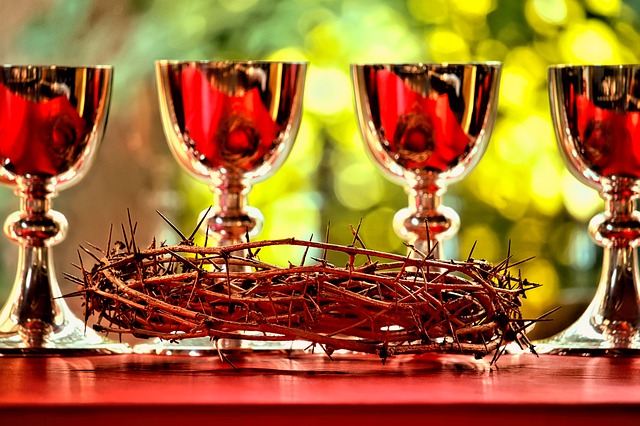
HaGuleh: The Third Cup of Redemption. This cup is based on Exodus 6:6; “Therefore tell the Israelites: I am Yahweh, and I will deliver you from the forced labor of the Egyptians and free you from slavery to them. I will redeem you with an outstretched arm and great acts of judgment.” Jesus identified himself with this cup, for this is the cup right after the Passover supper. “In the same way He also took the cup after supper and said, “This cup is the new covenant established by My blood; it is shed for you.” Jesus is the cup of redemption. “Then He withdrew from them about a stone’s throw, knelt down, and began to pray, “Father, if You are willing, take this cup away from Me—nevertheless, not My will, but Yours, be done.” Luke 22:41-42. Jesus is the One who will redeem us with an outstretched arm.
Eliyahu; Elijah’s Cup. Malachi 4:5 says, “Behold, I am going to send you Elijah the prophet before the coming of the great and terrible day of the Lord.” When the angel appeared to Zechariah before the birth of John the Baptist, he said, “And he will go before Him in the spirit and power of Elijah, to turn the hearts of fathers to their children, and the disobedient to the understanding of the righteous, to make ready for the Lord a prepared people. And then in Matthew 11:13-15 Jesus says, “For all the prophets and the Law prophesied until John; if you’re willing to accept it, he is the Elijah who is to come. Anyone who has ears should listen!”

Hallel: The fourth cup of Praise. What should our response be to the redemption of the Lamb of God who takes away the sins of the world? Praise of course. And that is what we do. We drink the fourth and final cup of Passover, the cup of praise. Then the songs of Psalm 113-118 are sung. Here is what Matthew 26:30 says, “After singing psalms, they went out to the Mount of Olives.”
Christ in the Passover. He is the the Unleavened Bread – the sinless Messiah. He is the Lamb of God who takes away the sins of the world. His blood was shed for you and I to bring us redemption. There is bitterness and tears, but there is also hope and joy. In the end, we will praise God as we sing: “Hallelujah! Give praise, servants of Yahweh; praise the name of Yahweh. Let the name of Yahweh be praise both now and forever. From the rising of the sun to its setting, let the name of Yahweh be praised. Yahweh is exalted above all the nations, His glory above the heavens. Who is like Yahweh our God the One enthroned on high, who stoops down to look on the heavens and the earth? He raises the poor from the dust and lifts the needy from the garbage pile in order to seat them with nobles with the nobles of His people. He gives the childless woman a household, making her the joyful mother of children. Hallelujah! Psalm 113
 Bible Study Blog