A Plague of Locusts
In 1915, there was a locust invasion of Biblical proportions starting in Palestine, Mount Lebanon and Syria. From March to October they wreaked havoc on the land, consuming every piece of vegetation, diminishing the winter harvest by 15%, and decimated the spring and autumn harvest by 60-100%. The result was a famine that lasted until 1918 resulting in mass starvation. All of this was made worse by WWI. Just in the first few months, well over 100,000 people died. Just recently, another swarm invaded the Horn of Africa and beyond. It began in June of 2019 and continued in some parts of Africa through November 2020. It was said to be Kenya’s worst infestation in 70 years. This particular swarm ate it’s way from Pakistan to Paraguay affecting 15 countries across parts of Africa, South America, Arabia and South Asia. The pictures I have seen on-line of this event are unbelievable. And this is how Joel begins his book – describing a locust’s swarm and it’s destruction.
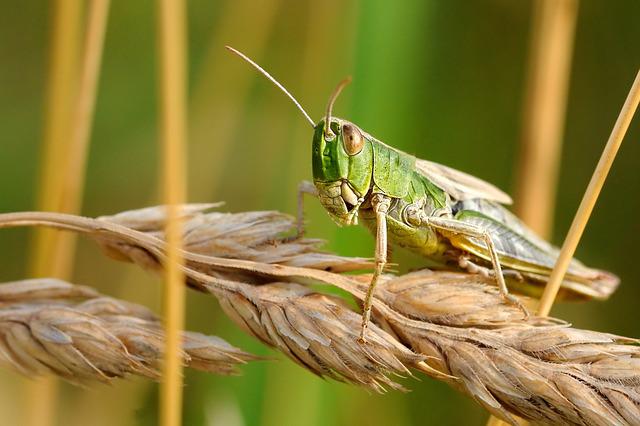
Vs 1-3 The word of the Lord that came to Joel son of Pethuel: Hear this, you elders; listen, all you inhabitants of the land. Has anything like this ever happened in your days or in the days of your ancestors? Tell your children about it, and let your children tell their children, and their children the next generation.
As we discovered last week, Joel’s name means Yaweh is God. The word of the Lord came to Joel and he called the elders together to hear what God had said to him. Through these elders, this word will be passed on to the inhabitants of the land. The word is so important, Joel wants the people to tell their children. He wants them to remember it so they will not repeat their mistakes. The Hebrew word for hear is shama. It is a word that demands attention. Each morning the people then, and now, recited the Shama. Here it is in part: Shama Israel, Adonai Elohanu Adonai Echad, which means Hear O Israel The Lord is God, the Lord is One. So Joel says shama you elders – Listen to this word, for God is speaking! It is important enough to tell your children so they can tell their children and so on and so on. You must listen and remember.
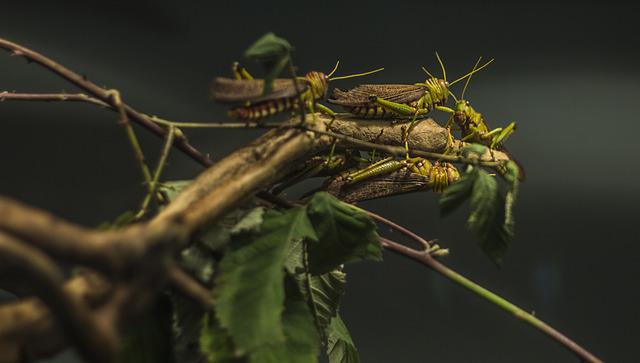
Vs 4 What the devouring locust has left, the swarming locust has eaten; what the swarming locust has left, the young locust has eaten; and what the young locust has left, the destroying locust has eaten.
If this book was indeed written around 835 BC, then most of the hearers of this word would remember the locust plague of 845. They would have seen the total devastation of a locust swarm. They would understand the devouring, swarming, young, and destroying locust. They would remember that locusts destroy everything in their path. It may even have taken those 10 years just to get back to a semi-normal crop production. The repetitive nature of this passage is key. Joel mentions four different kinds of locusts. The repetition is there there to capture the listener’s attention. Shama – pay attention to this. So what is Joel really describing here? What does he want the parents to tell their children – what does he want them to remember? I believe he wants the memory of the locust swarm to serve as a warning against sin. Prior to 835 the ruling faction was evil. They were just entering a time when a good king would be on the throne. Joel did not want them to forget what the sin of the nation had caused. Evil has a way of sneaking up on us. It begins small – just a step to the right or left of the righteous path. Then, as time goes by, that small step continues to go further and further way. So far, the path can’t be seen anymore. When we, as believers, leave the path, becoming distracted by society or the things of this world, we open up avenues for the locusts to start their destructive trail. This is why the Lord is asking them to:
Vs 5-7 Wake up, you drunkards and weep; wail, all you wine drinkers, because of the sweet wine, for it has been taken from your mouth. For a nation has invaded My land, powerful and without number; its teeth are the teeth of a lion, and it has the fangs of a lioness. It has devastated My grapevine and splintered My fig tree. It has stripped off its bark and thrown it away; its branches have turned white.
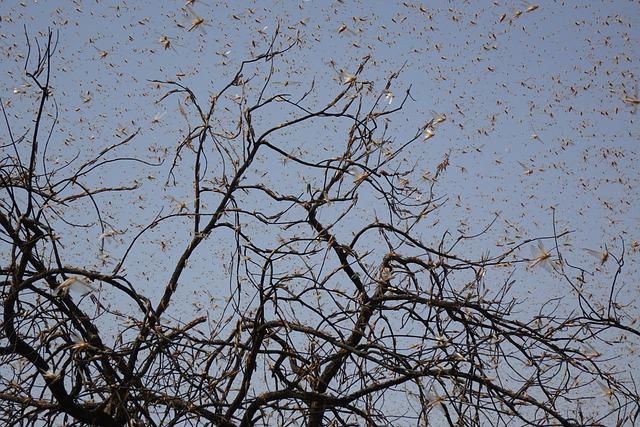
Wake up, and weep. Look around and see where you are. Sober up and realize where the drunken life of sin has brought you. See what the grip of sin has done. It’s teeth are destructive like a lions. The trees are stripped away. One of the pictures I saw from the 1915 invasion was a before and after picture of a tree. Before it was a beautiful tree filled with green luscious leaves. After the locusts came, it was completely bare. Not one leaf left. It was similar to the picture above as you can see the locusts swarm leaving the now bear tree. This is the picture Joel is showing us here – a fig tree stripped of it’s bark, it’s branches white with locust. It is a total takeover. Joel is describing a nation that is suffering because of their disobedience. They have been stripped bare – there isn’t even a piece of grain or drink for an offering. So what are they suppose to do?
Vs 8-12 Grieve like a young woman dressed in sackcloth, mourning for the husband of her youth. Grain and drink offerings have been cut off from the house of the Lord; the priests, who are ministers of the Lord, mourn. The fields are destroyed; the land grieves; indeed, the grain is destroyed; the new wine is dried up; and the olive oil fails. Be ashamed, you farmers, wail, you vinedressers, over the wheat and the barley, because the harvest of the field has perished. The grapevine is dried up, and the fig tree is withered; the pomegranate, the date palm, and the apple— all the trees of the orchard—have withered. Indeed, human joy has dried up.
They are suppose to grieve and cry out to the Lord. Joel gives us several pictures of grief here. Grieve like a young woman dressed in sackcloth, mourning for the husband of her youth. We need to be devastated because of our sin. He also says, “Be ashamed, you farmers, wail, you vinedressers. Sin should bring about shame. It should drive us to wail in mourning. We are reminded once again of what Hosea says in 14:1-2, “Israel, return to Yahweh your God, for you have stumbled in your sin. Take words of repentance with you and return to the Lord. Say to Him: “Forgive all our sin and accept what is good, so that we may repay You with praise from our lips.” Return to the Lord. Acknowledge your sin and repent. Then we turn to 2 Chronicles 7:13-15. The Lord is speaking to Solomon after he has built the temple: “If I close the sky so there is no rain, or if I command the grasshopper to consume the land, or if I send pestilence on My people, and My people who are called by My name humble themselves, pray and seek My face, and turn from their evil ways, then I will hear from heaven, forgive their sin, and heal their land. My eyes will now be open and My ears attentive to prayer from this place. If the locust come to consume the land and my people humble themselves, pray and seek God’s face and turn from evil, He will hear from heaven and forgive. Grief must lead to humility. Joel then shows them what repentance looks like.
Vs 13-14 Dress in sackcloth and lament, you priests; wail, you ministers of the altar. Come and spend the night in sackcloth, you ministers of my God, because grain and drink offerings are withheld from the house of your God. Announce a sacred fast; proclaim an assembly! Gather the elders and all the residents of the land at the house of the Lord your God, and cry out to the Lord.
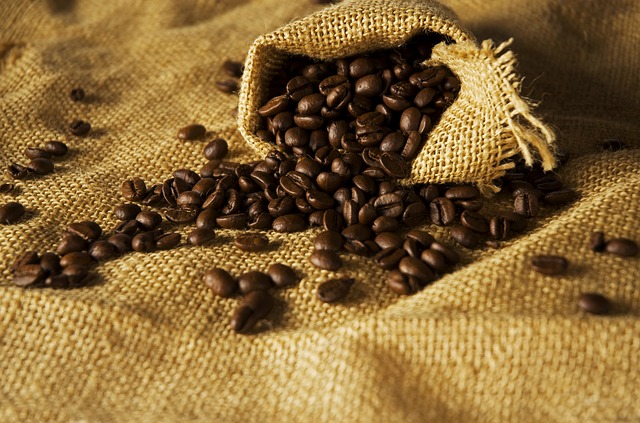
Joel shows us there is a real need for humility and there is nothing more humbling than wearing sackcloth. There must be real grief for the sin we’ve committed so Joel says – dress in sackcloth and lament. To better understand this we need to take a look at what sackcloth really is. Growing up in a Christian home, I am familiar with the idea of sackcloth being a sign of mourning, grief and repentance, but, I really never thought about what sackcloth really was. In my mind it was something like burlap – pretty ugly and uncomfortable. Many years ago, several items of merchandise like potatoes or fish, or coffee came in burlap sacks. During the depression, the cloth was even used to make clothes. It was a cheap but heavy duty material – but – it was also VERY uncomfortable to wear. Now, we use burlap to create wreaths or other decorative items for the home so it has lost a bit of it’s meaning. But sackcloth and burlap isn’t the same. Sackcloth is even more uncomfortable. It was made of black goat’s hair, which was thick, itchy, rough and extremely uncomfortable to wear. It was often accompanied by ashes, which added to it’s intolerability. Together, they were to remind the wearer that true repentance comes with an agonizing grasp of sin. Sin means we have fallen short of the glory of God, and so, there is a need to grieve. We need to feel uncomfortable with our sin. And this is the message Joel is trying to convey. Remember what it was like in the day when the locust annihilated everything? Remember the sin that brought us to that point? Don’t forget it, because if you do, history will repeat itself. Instead, repent from the sin. Grieve, wail, and mourn. Then God will hear from heaven, forgive and restore.
 Bible Study Blog