The Day of the Lord
In today’s study, we have quickly come to the theme of the book of Joel – The Day of the Lord. So, just what is the Day of the Lord? First, it is indeed, God’s day and God’s time. We have our time, and God will have His. So, what does God’s time entail? The simple answer: it is a time of judgment and accounting. There will come a time when the judgement of God will pour out on the earth. In the meantime, there are other Day’s of the Lord. Day’s that will bring judgment and accounting, but will act as a calling for us to repent and return. We know this because throughout Scripture there have been many Day’s of the Lord – times when God brings about circumstances that bring his people back to Himself. These times are not easy and the people experience the consequences of their sin. The one thing God asks of His people is to be obedient. We find this in 1 Samuel 15:22-23 when Samuel is talking to Saul who has willfully disobeyed God: “Does the Lord take pleasure in burnt offerings and sacrifices as much as in obeying the Lord? Look: to obey is better than sacrifice, to pay attention is better than the fat of rams. For rebellion is like the sin of divination, and defiance is like wickedness and idolatry. Because you have rejected the word of the Lord, He has rejected you as king.” Here Samuel points out that God has asked us to obey and pay attention. We find this in the gospels when Jesus is forgiving people. Each time, he says, “Your sins are forgiven, now go and sin no more.” We find it in 1 Peter 1:14-16, “As obedient children, do not be conformed to the desires of your former ignorance. But as the One who called you is holy, you also are to be holy in all your conduct; for it is written, Be holy, because I am holy.” So, God has exhorted us to obey and pay attention, He has instructed us to go and sin no more. and, He has asked us to be holy as He is holy. All of these can be accomplished if we obey and walk with Christ, allowing the Holy Spirit to guide us. So, the Word of the Lord, through Joel, is not just for the people of his day, but a Word to us as well. And here is that Word:
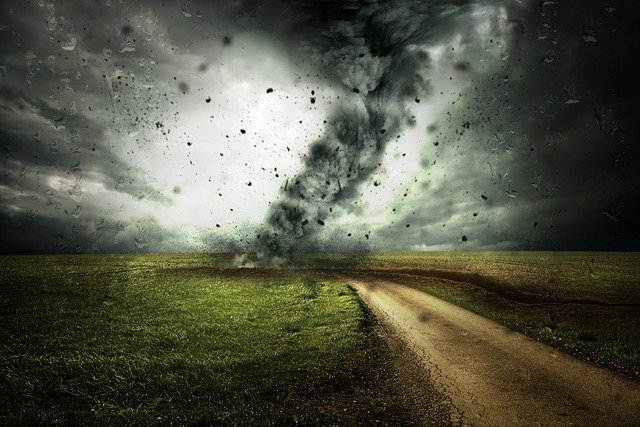
Vs 15-18 Woe because of that day! For the Day of the Lord is near and will come as devastation from the Almighty. Hasn’t the food been cut off before our eyes, joy and gladness from the house of our God? The seeds lie shriveled in their casings. The storehouses are in ruin, and the granaries are broken down, because the grain has withered away. How the animals groan! The herds of cattle wander in confusion since they have no pasture. Even the flocks of sheep suffer punishment.
The Hebrew word for Woe is ahah. It means alas and is used as a exclamation of pain. The Day of the Lord is near and it is coming with devastation – AHAH! Joel has reminded the people about the destruction of the locusts and the devastation of the drought. He says – can’t you see it? In the words of Samuel to Saul – pay attention! This is what happens when we are disobedient. God will allow us our choice (free will) to sin and He will take His protective hand off of us. He doesn’t force His presence on anyone. He allows us to disobey and deal with the consequences. It got so bad in Joel’s day, even the animals were groaning. The Hebrew word for groaning is anach which means to sigh. Have you ever heard an animal sigh? I have. My husband and I have chickens (best pet ever!), and when they are unhappy (like when one of us forgets to fill up their feed buckets) they let out an audible sigh. It’s can actually sound quite heartbreaking. It certainly gets our attention. I can see them wandering around aimlessly looking for their food. They are totally confused because they know that bucket is suppose to be full. Of course, my chickens only go without food for an hour or so. These animals have gone without food for days and months and they are confused and groaning!
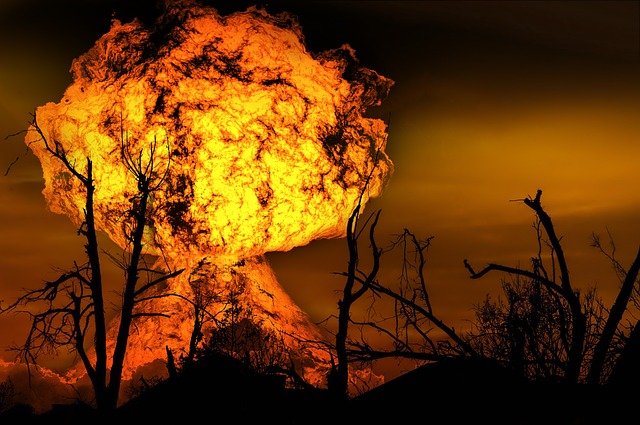
Vs 19-20 I call to You, Lord, for fire has consumed the pastures of the wilderness, and flames have devoured all the trees of the countryside. Even the wild animals cry out to You, for the river beds are dried up, and fire has consumed the pastures of the wilderness.
Why would God allow this devastation? As we read through Scripture, we find a pattern at work. God’s people are obedient and they thrive. Then, they stray and become disobedient. God allows them to make those poor choices and takes His protective hand away which results in the devastation. The people of God repent, cry out and return to Him. God restores His people. Solomon says it all in Ecclesiastes 1:9, “What has been is what will be,
and what has been done is what will be done; there is nothing new under the sun.” It seems history repeats itself over and over. The good news – when the people call out, God hears us. The Hebrew word for call is qura which actually means to call and proclaim. This isn’t just a calling out to God, but a proclaiming that He is who He says He is. He is the One who will forgive. He is the One who will come to our aid. But, let’s be very clear. He also requires us to repent and return. Jesus makes this very clear in Luke 13:1-9: “At that time, some people came and reported to Him about the Galileans …“Do you think that these Galileans were more sinful than all Galileans because they suffered these things? No, I tell you; but unless you repent, you will all perish as well! Or those 18 that the tower in Siloam fell on and killed—do you think they were more sinful than all the people who live in Jerusalem? No, I tell you; but unless you repent, you will all perish as well!” And He told this parable: “A man had a fig tree that was planted in his vineyard. He came looking for fruit on it and found none. He told the vineyard worker, ‘Listen, for three years I have come looking for fruit on this fig tree and haven’t found any. Cut it down! Why should it even waste the soil?’ “But he replied to him, ‘Sir, leave it this year also, until I dig around it and fertilize it. Perhaps it will bear fruit next year, but if not, you can cut it down.’” Yes, there is grace, but there must be repentance and returning on our part.

Vs 2:1-3 Blow the horn in Zion; sound the alarm on My holy mountain! Let all the residents of the land tremble, for the Day of the Lord is coming; in fact, it is near— a day of darkness and gloom, a day of clouds and dense overcast, like the dawn spreading over the mountains; a great and strong people appears, such as never existed in ages past and never will again in all the generations to come. A fire destroys in front of them, and behind them a flame devours. The land in front of them is like the Garden of Eden, but behind them, it is like a desert wasteland; there is no escape from them.
So we must be diligent in proclaiming the gospel of Jesus Christ. Joel says – go out and blow the horn in Zion. The Hebrew word for horn is shofar. A shofar is a rams horn that was used for many things throughout Scripture. It was blown as they went into battle. It was blown to call the people to an assembly and it was blown as a warning of impending doom. During the Feast of Trumpets (Rosh Hashanah today) the shofar is sounded 100 times. It is said that the sound of the shofar is suppose to awaken us from our sleep and cause us to contemplate the things we need to get right with God and the people around us. When the shofar sounds we are to wake up, tremble and pay attention. The Day of the Lord is coming – and it will not be a happy day for all. So, what will this day be like?
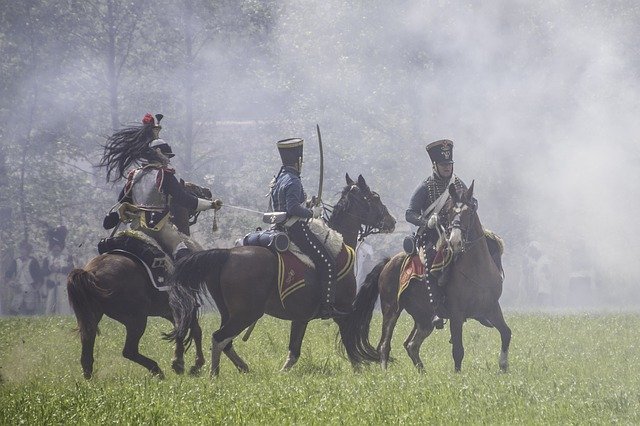
Vs 4-11 Their appearance is like that of horses, and they gallop like war horses. They bound on the tops of the mountains. Their sound is like the sound of chariots, like the sound of fiery flames consuming stubble, like a mighty army deployed for war. Nations writhe in horror before them; all faces turn pale. They attack as warriors attack; they scale walls as men of war do. Each goes on his own path, and they do not change their course. They do not push each other; each man proceeds on his own path. They dodge the arrows, never stopping. They storm the city; they run on the wall; they climb into the houses; they enter through the windows like thieves. The earth quakes before them; the sky shakes. The sun and moon grow dark, and the stars cease their shining. he Lord raises His voice in the presence of His army. His camp is very large; Those who carry out His command are powerful. Indeed, the Day of the Lord is terrible and dreadful—who can endure it?
The Day of the Lord will be awesome in it’s power and might. It will be a Day no one will mistaken for anything else. It will be a Day when God will get all of our attention. I believe this – there have been, and will continue to be, warnings, signs and events to get our attention. The “shofar” is blowing to awake us from our slumber. We have the opportunity, like Nineveh, to repent and turn back to the Lord. The choices society, and the church, is making will determine what the Day will bring. Make no mistake, God is holy and just and His Day is going to come. In His great mercy, He has given us warnings. In His grace, He speaks to us through His Word and calls us to return to Him. But, when the Day of the Lord comes, it will be “terrible and dreadful—who can endure it?” Nineveh’s and Judah’s repentance and return did stave off the Day of the Lord in their time – but, the Day of the Lord did come. Both did end up dealing with the destruction that comes with sin and unrepentance. Next week, we will talk more about what true repentance looks like. For now, let’s keep the words of Samuel fresh in our minds: obedience is better than sacrifice and you need to pay attention.
 Bible Study Blog