Heading to Jerusalem
Vs 22-30 He went through one town and village after another, teaching and making His way to Jerusalem. “Lord,” someone asked Him, “are there few being saved?” He said to them, “Make every effort to enter through the narrow door, because I tell you, many will try to enter and won’t be able once the homeowner gets up and shuts the door. Then you will stand outside and knock on the door, saying, ‘Lord, open up for us!’ He will answer you, ‘I don’t know you or where you’re from.’ Then you will say, ‘We ate and drank in Your presence, and You taught in our streets!’ But He will say, ‘I tell you, I don’t know you or where you’re from. Get away from Me, all you workers of unrighteousness!’ There will be weeping and gnashing of teeth in that place, when you see Abraham, Isaac, Jacob, and all the prophets in the kingdom of God, but yourselves thrown out. They will come from east and west, from north and south, and recline at the table in the kingdom of God. Note this: Some are last who will be first, and some are first who will be last.”
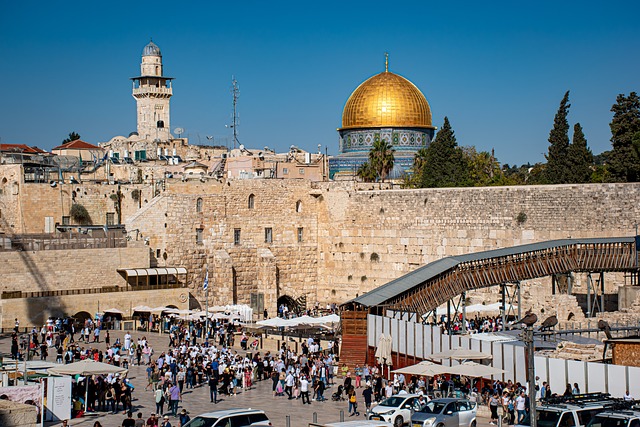
Jesus is on His way to His appointed destination – Jerusalem. There He will fulfill all the Law and Scripture. Along the way, He encounters many people who test, eagerly desire what He has for them, or want their debates to be settled. This group is the latter. There was an debate between two schools of rabbinical thought – who is saved. One school of rabbis said all Jews would be saved, while another said only a few. The question identifies which rabbi the asker associates with. “Lord,” someone asked Him, “are there few being saved?” He is either trying to settle the issue for himself, or he wants to see which school of thought Jesus adheres to. Jesus doesn’t wade into the debate at all. Instead, He turns the question right back around, asking the questioner to look at his own life. It’s so easy to get caught up in debates. We put so much time and energy in trying to change the other person’s mind that we neglect what really needs to happen – there needs to be a change of the heart. Without a change of heart, there can be no real change in a person’s life.
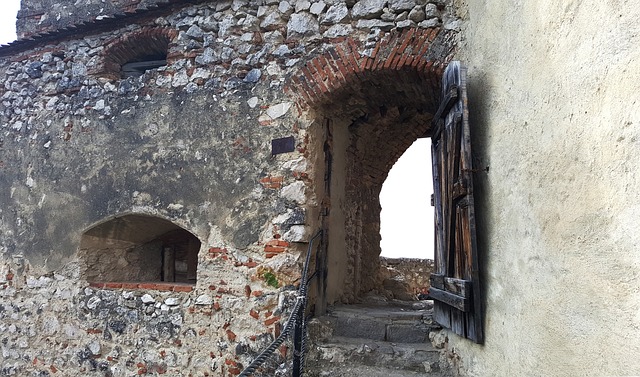
Jesus speaks of entering a narrow door: a closely defined and ordained path of God. Following God is not easy. We must follow the narrow path and go through the narrow door. And, this is not a door we can enter under our own power. The Holy Spirit enables us. The Greek word for door is thura, which is also used in the following verse as gate: John 10:9-10, “I am the gate (thura); whoever enters through me will be saved. They will come in and go out, and find pasture. The thief comes only to steal and kill and destroy; I have come that they may have life, and have it to the full.” We find that Jesus is the way to salvation. He is the door or gate that we enter. It is a narrow door and a narrow path – one that is defined and ordained by God. We want to argue that there are many ways to God, but God has defined the way to Himself. It is not broad, but narrow. It is not multi-faceted, but singular. The narrow way is through Christ. He is the door.

Jesus then reminds the questioner that there is an end date to the open door. He says to make every effort to enter through the narrow door. The Greek word for make every effort is agónizomai. We get our word agony from it. It is a word used to describe an athlete in a contest. To win the race, or contest, the athlete must struggle to surmount an adversary. In the case of a marathon, the adversary is the grueling race itself. The race will be difficult, have obstacles and hardships, but only those who strive will finish. In the same way, we need to agonizomai to go through the narrow door and to take the narrow path. There will come a point in time when the door will be shut and it will be too late. There is a definitive time – a day of reckoning. On that day, the Lord will say, “I do not know you.” There will be those who will object – but we ate and drank in your presence… There may be those who say, but we were in church all the time and we even taught Sunday School. We volunteered at the food bank and gave to charity. We went on mission trips and lived a good life. But that is not what striving to go through the narrow door means. It requires a changed heart, otherwise it just good works, and even those without Christ can do those.
We might be surprised as to who is in heaven – who has walked through that narrow door. Jesus certainly shocked those He was teaching – they will come from east and west, from north and south, and recline at the table in the kingdom of God. There would be Gentiles at the table and Gentiles will be able to come into the kingdom of God. Here, Jesus is reminding them of their mission: “Arise, shine, for your light has come, and the glory of the Lord rises upon you. See, darkness covers the earth and thick darkness is over the peoples, but the Lord rises upon you and his glory appears over you. Nations will come to your light, and kings to the brightness of your dawn.” Isaiah 60:1-3 They were to be a light to the nations of the earth. A light, illuminating the Messiah, the hope of their salvation, so all would come to enter into His grace.
Vs 31-35 At that time some Pharisees came and told Him, “Go, get out of here! Herod wants to kill You!” He said to them, “Go tell that fox, ‘Look! I’m driving out demons and performing healings today and tomorrow, and on the third day I will complete My work.’ Yet I must travel today, tomorrow, and the next day, because it is not possible for a prophet to perish outside of Jerusalem! “Jerusalem, Jerusalem! She who kills the prophets and stones those who are sent to her. How often I wanted to gather your children together, as a hen gathers her chicks under her wings, but you were not willing! See, your house is abandoned to you. And I tell you, you will not see Me until the time comes when you say, ‘He who comes in the name of the Lord is the blessed One’!”

To be clear, not all Pharisees were against Jesus, (Nicodemus is one such Pharisee). And here others who are very concerned and come to Jesus to warn Him about Herod. Pharisees, have long been criticized for their legalism, but, like any other faction of people, there were many different kinds of Pharisee. In fact, some 3rd century rabbis give us a description of seven kinds of Pharisee. “Our Rabbis have taught: There are seven types of Pharisees: the shikmi Pharisee (he performs his duties so all may see), the nikpi Pharisee (he finds excuses not to do his duty), the kizai Pharisee (he piously keeps his eyes closed and would walk into a wall to keep from sinning), the ‘pestle’ Pharisee (he will display his humility constantly), the Pharisee who constantly exclaims, ‘What is my duty that I may perform it?’ (he constantly weighs the good vs bad deeds), the Pharisee from love of God (he serves God out of love), and the Pharisee from fear (he serves God out of fear). We can see from these descriptions, the ones who came to Jesus to warn Him, could be those who served God out of fear. They were concerned yes, but they were also afraid for the outcome if Jesus continued to Jerusalem. But, Jesus is neither concerned nor afraid. “Go tell that fox, ‘Look! I’m driving out demons and performing healings today and tomorrow, and on the third day I will complete My work.” Yet I must travel today, tomorrow and the next day because it is not possible for a prophet to perish outside of Jerusalem!” In this statement, Jesus outlines what will take place. He will continue to do the work His Father has set before Him, even to death. But, He also knows something they have not conceived of: death will not defeat Him – on the third day I will complete My work.

Jesus then cries out a lament: “Jerusalem, Jerusalem! She who kills the prophets and stones those who are sent to her. How often I wanted to gather your children together, as a hen gathers her chicks under her wings, but you were not willing! See, your house is abandoned to you. And I tell you, you will not see Me until the time comes when you say, ‘He who comes in the name of the Lord is the blessed One’!” He repeats Jerusalem twice signifying great emotion. He recounts her sins – they have killed the prophets and stone those that have been sent (and they will again when He enters the city). Yet, He still wants to comfort and protect her. If any of you have ever had chickens, you will know when the mother hen senses danger she will call her babies to come to her and gather under her wings. She will protect them. I have witnessed this with my own chickens when my cats would even come within sight. Those chicks came running to their mama when they heard that special call. But, this was not the case here. The prey had come and was ready to pounce and God was calling them to return to Him. But, they were not willing and would continue to reject Him. But, hope was always on the horizon. A day will come when she will say, ‘He who comes in the name of the Lord is the blessed One’!”
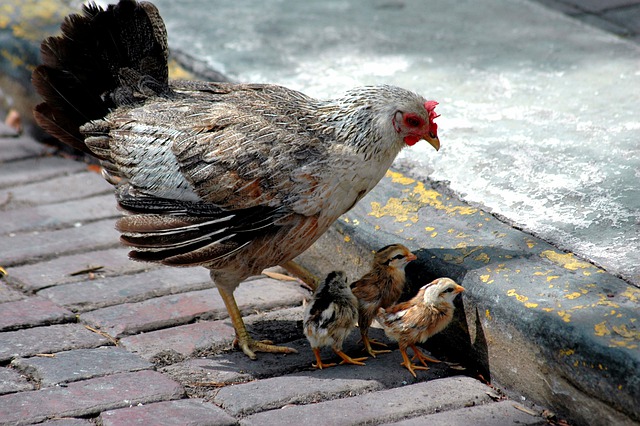
I believe God continues to cry out and lament this world, calling all to come to Him in repentance. He is the Father awaiting the prodigal son. He is the master who invites us to the wedding feast. He is the shepherd who would search for us if we are lost. He is the door – the way the truth and the life – abundant life. But we have been unwilling. His desire is for Believers to be a light to the world and to serve His kingdom. The question remains: which type of believer are we? The shikmi Believer – performing our duties so all may see, the nikpi Believer, finding excuses not to do our duty, the kizai Believer, piously closing our eyes and walking into walls to keep from sinning, the ‘pestle’ Believer displaying our humility constantly, the Believer constantly exclaiming, ‘What is my duty that I may perform it?’ weighing the good vs bad deeds, the Believer who serves God out of fear, or the Believer who serves God out of love? God is calling us like that mother hen calling to her chicks. His desire is for us to come to Him willing, to serve Him out of love and desire Him above all else.
 Bible Study Blog