The Authority of Christ

According to the dictionary authority is “the power to give orders or make decisions and the power or right to direct or control someone or something.” A person with authority “inspires or demands obedience and emulation.” Throughout the gospels, we read about the authority of Jesus. Matthew 7:28-29: When Jesus had finished this sermon, the crowds were astonished at His teaching, because He was teaching them like one who had authority, and not like their scribes. Matthew 9:5-7: For which is easier: to say, ‘Your sins are forgiven,’ or to say, ‘Get up and walk’? But so you may know that the Son of Man has authority on earth to forgive sins”—then He told the paralytic, “Get up, pick up your mat, and go home.” And he got up and went home. Mark 6:7: He summoned the Twelve and began to send them out in pairs and gave them authority over unclean spirits. John 10:17-18 This is why the Father loves Me, because I am laying down My life so I may take it up again. No one takes it from Me, but I lay it down on My own. I have the right to lay it down, and I have the right to take it up again. I have received this command from My Father.” We find Jesus had authority, could give authority, and is the very definition of authority. As we continue on the road to Jerusalem, we will find His authority celebrated, exemplified, and questioned.
Vs 28-40 After Jesus had said this, he went on ahead, going up to Jerusalem. As he approached Bethphage and Bethany at the hill called the Mount of Olives, he sent two of his disciples, saying to them, “Go to the village ahead of you, and as you enter it, you will find a colt tied there, which no one has ever ridden. Untie it and bring it here. If anyone asks you, ‘Why are you untying it?’ say, ‘The Lord needs it.’” Those who were sent ahead went and found it just as he had told them. As they were untying the colt, its owners asked them, “Why are you untying the colt?” They replied, “The Lord needs it.” They brought it to Jesus, threw their cloaks on the colt and put Jesus on it. As he went along, people spread their cloaks on the road. When he came near the place where the road goes down the Mount of Olives, the whole crowd of disciples began joyfully to praise God in loud voices for all the miracles they had seen: “Blessed is the king who comes in the name of the Lord!” “Peace in heaven and glory in the highest!” Some of the Pharisees in the crowd said to Jesus, “Teacher, rebuke your disciples!” “I tell you,” he replied, “if they keep quiet, the stones will cry out.”

Jesus’ authority is celebrated. He had just finished explaining to His disciples who the Messiah was. His kingdom was spiritual, not physical. The Messiah came to save us spiritually, not physically. So, with this in mind, He continues to Jerusalem. Their journey finally brings them to the Mount of Olives which overlooks the city, and the place where His crucifixion would soon take place. As He stands on the hill looking over Jerusalem, He knows what awaits Him, yet He steadfastly walks there. He does not turn aside, but willingly sets His face towards the will of God.
He then sends His disciples on an assignment. They are to go into the village ahead, possibly Bethphage, and find a colt tied up, one that no one has ridden. They are to untie it and bring it to Him and, if anyone questions them, they are to say the Lord needs it. When they do as they are told, they find Jesus’ answer suffices, and Zechariah 9:9-10 is fulfilled: Rejoice greatly, Daughter Zion! Shout in triumph, Daughter Jerusalem! Look, your King is coming to you; He is righteous and victorious, humble and riding on a donkey, on a colt, the foal of a donkey. I will cut off the chariot from Ephraim and the horse from Jerusalem. The bow of war will be removed, and He will proclaim peace to the nations. His dominion will extend from sea to sea, from the Euphrates River to the ends of the earth. This Scripture gives us a picture of current and future fulfillment. Verse 9 is the picture of the Messiah’s humility. Instead of a mighty horse coming to conquer, Jesus rides in on a donkey, or colt, as a humble servant. He has acquired this humble ride because of His authority. He is victorious because He does the will of His Father, thus establishing His authority. Verse 10, shows us His ultimate authority as it describes His second coming. His dominion will extend from sea to sea. He will rule over all things to the ends of the earth. He is the Prince and will bring peace to all the nations.
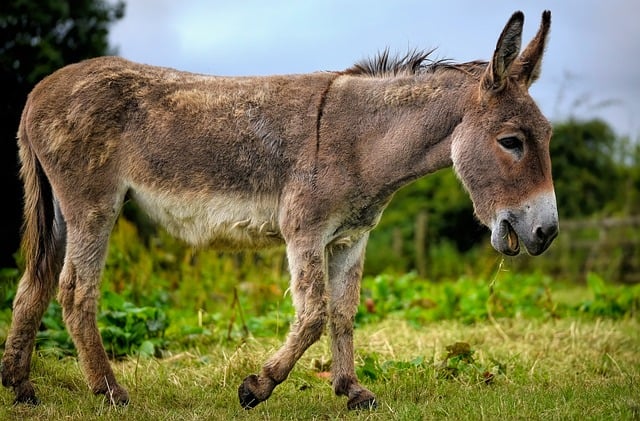
When Jesus comes down from the Mount of Olives people recognized His authority and they celebrate it. “Blessed is the king who comes in the name of the Lord!” “Peace in heaven and glory in the highest!” They knew who Jesus was – the Messiah! Did they understand at this moment why He came and what His purpose would be? No, they did not. They had a particular vision of the Messiah in their minds. They had followed Jesus and listened to His authoritative sermons. They sensed His time had come and something amazing was about to happen. Their conquering King had arrived in Jerusalem. But, Jesus was going to turn that vision on its head. He was going to do the unexpected. Yes, He was the conquering King that had come in the Name of the Yahweh, but, He was a King that would die so He could conquer sin and death. He had come not to conquer human authority, but to fulfill Scripture so the broken relationship between God and man could be restored. His celebrated triumphant entry into Jerusalem would end in death on the cross, a borrowed tomb and the ultimate triumph at His resurrection.
Not everyone was singing His praises that day though. Some of the Pharisees in the crowd said to Jesus, “Teacher, rebuke your disciples!” The Pharisees were uncomfortable with this display of authority. They didn’t like it as it under-minded their own authority. The people were turning away from them to this man. What they were really saying to Jesus was, “hey, they think your the Messiah so you need to tell them is isn’t so!” They believed they would have surely recognized who the Messiah was. After all, they were the religious leaders of the day. And Jesus certainly wasn’t their ideal guy. He wasn’t on team Pharisee, so He couldn’t be the One. If Jesus was the Messiah, their own authority was being questioned and they couldn’t have that. But Jesus answers them saying, “if they keep quiet, the stones will cry out.” Creation itself will cry out His praise if we don’t. Psalm 148 sings of His creation praising Him. We encounter stars, the moon, cattle, lightning, cedars, and all peoples of the earth praising the Name of Yahweh. The Creator of the Universe has stepped out to walk on His own creation. Every step He trod sang His praises.
Vs 41-44 As he approached Jerusalem and saw the city, he wept over it and said, “If you, even you, had only known on this day what would bring you peace—but now it is hidden from your eyes. The days will come upon you when your enemies will build an embankment against you and encircle you and hem you in on every side. They will dash you to the ground, you and the children within your walls. They will not leave one stone on another, because you did not recognize the time of God’s coming to you.”
He we pause for a moment. Jesus is now in a place where He can clearly see the city. Perhaps it is even as He comes to the Garden of Gethsemane. Wherever He is, He sees Jerusalem and begins to weep. The Greek word for see is horao, which means to perceive or discern. You can see the city of Jerusalem from the Mount of Olives, but as Jesus rode closer, He experiences and discerns its spiritual essence and begins to weep. This wasn’t just Him shedding a few tears. The Greek word for weep here is klaio, which means audible weeping, expressing uncontainable grief. What Jesus sees is the future of Jerusalem. It is an event so horrifying, it brings Him to the point of unabashed audible lament. What does He see? It is most probably an event that will happen in 70 AD. Just three days before Passover in April of 70 AD, the siege of Jerusalem began. By August 29th Jerusalem had fallen, the Temple had been burned, and the Jewish state had collapsed. According to the great historian Josephus, the city was ravaged by murder, famine and cannibalism. It was an appalling event in Israel’s history and Jesus is so grieved by it, He can’t contain His cries of anguish. Jesus also lamented the lack of peace in the city. The meaning of the word Jerusalem means “dwelling of peace”. It is lamentable that Jerusalem lacked the very peace it symbolized.
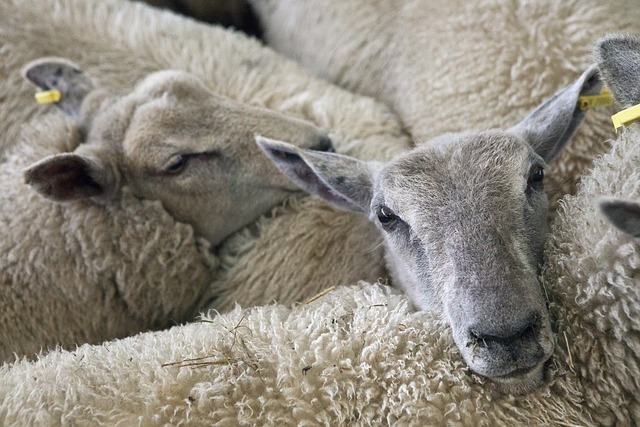
Vs 45-46 When Jesus entered the temple courts, he began to drive out those who were selling. “It is written,” he said to them, “‘My house will be a house of prayer’ but you have made it ‘a den of robbers.”
Here Jesus exemplifies his authority. He continues His journey through the gates of Jerusalem, and heads straight to the temple. There, He once again finds men selling the required temple sacrifices. Earlier in Jesus’ ministry, John 2:13-16 records Him cleansing the temple. Here He is again, at the end of His earthly ministry, cleansing it. He says, “My house will be a house of prayer’ but you have made it ‘a den of robbers.” First of all, the sellers were selling the animals for the sacrifice at a higher price than outside the temple area, sometimes up to 20 times the amount. They were literally robbing the people and taking advantage of them in the House of the Lord. Second, this marketplace also took place in the outer courts, which was the only place Gentiles could come and pray. Isaiah 56:7 says, “I will bring them to My holy mountain and let them rejoice in My house of prayer. Their burnt offerings and sacrifices will be acceptable on My altar, for My house will be called a house of prayer for all nations.” Those who were to be the light to the nations, had turned the place, where all could come and worship the Lord, into a marketplace of thieves. In this act, Jesus exemplifies His authority in His Father’s house. As we will see, this act of authority served to gain Him more enemies in the religious camp.
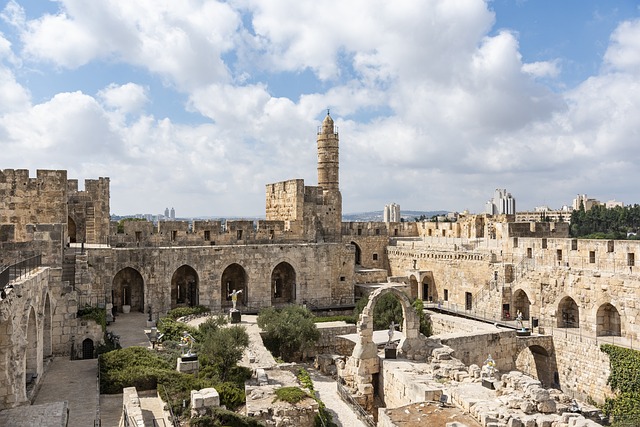
47-20:8 Every day he was teaching at the temple. But the chief priests, the teachers of the law and the leaders among the people were trying to kill him. Yet they could not find any way to do it, because all the people hung on his words. One day as Jesus was teaching the people in the temple courts and proclaiming the good news, the chief priests and the teachers of the law, together with the elders, came up to him. “Tell us by what authority you are doing these things,” they said. “Who gave you this authority?” He replied, “I will also ask you a question. Tell me: John’s baptism—was it from heaven, or of human origin?” They discussed it among themselves and said, “If we say, ‘From heaven,’ he will ask, ‘Why didn’t you believe him?’ But if we say, ‘Of human origin,’ all the people will stone us, because they are persuaded that John was a prophet.” So they answered, “We don’t know where it was from.” Jesus said, “Neither will I tell you by what authority I am doing these things.”
In this passage, Jesus’ authority is questioned. Jesus ends His earthly ministry in His Father’s house teaching about the kingdom of God. While the people were captivated by Him, the religious leaders of the day were seething. He was undermining all they had achieved. His words made them uncomfortable because it did not agree with their understanding of Scripture. They were so incensed, they began the process of trying to out maneuver Jesus. They tried to trap Him into saying something that could subvert His influence on the people. From there, they could take Him down. Their first question: “Tell us by what authority you are doing these things,” they said. “Who gave you this authority?” The Greek word for authority in this passage is exousia, which means the power to act. They wanted to know who gave Jesus the power to act. Who are you to cleanse the temple? Who are you to teach in this way? Where are your rabbinical robes and training? Who taught you to interpret Scripture in this way? If Jesus would just answer the way they wanted Him to, they had Him. They could bring charges against Him right there and undermine His influence on the people sitting there listening to His teachings. But they underestimated the Son of God. He came in wisdom and power because His authority was from God Almighty. He does not answer their loaded question, but asks one of His own. “Tell me: John’s baptism—was it from heaven, or of human origin?” This stops them in their tracks. They can’t answer Him for fear of losing any influence they may still have with the people. They are so caught up with their own self preservation, they refused to even seek or see the truth. They refuse to answer, so Jesus says, “Neither will I tell you by what authority I am doing these things.” For a time, they have been thwarted.
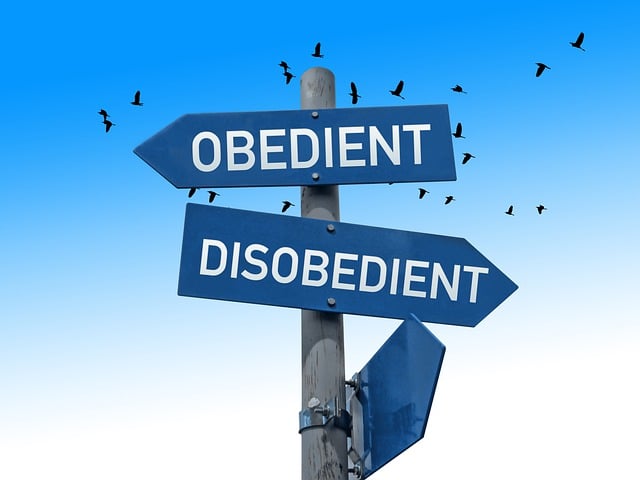
Right now, there are those around the world who either celebrate or question the authority of Jesus. Those who walk in righteousness or those who are making places of worship into dens of robbers. Those who either look for a Savior or look for one who comes to conquer. Those who walk humbly or those who walk in pride with a “know it all” attitude. Those who submit to the authority of Jesus or those who fear they may lose control of their own influence over others. We must be seekers of truth so we can discern which is which. Finally, we need to contemplate this final question: if Jesus were looking over your city, your neighborhood, your church, or your home, what does He horao? Is it a place, vibrant with worship, or a desert place. Would He rejoice or weep? With that in mind, how can you and I make a difference where we are for the kingdom of God? When we come to the place where we submit to the authority of Christ, we will then, “put on the full armor of God so that you can stand against the tactics of the Devil. For our battle is not against flesh and blood, but against the rulers, against the authorities, against the world powers of this darkness, against the spiritual forces of evil in the heavens. This is why you must take up the full armor of God, so that you may be able to resist in the evil day, and having prepared everything, to take your stand. Ephesians 6:11-13. Christ has called us, equipped us, and sends us out, giving us authority, just as He did His disciples in Luke 10. May we too have the joy of seeing His Name declared among the nations and people coming to faith in the One who has all authority!
 Bible Study Blog