The Crisis Before the Storm

Have you ever had a crisis before the storm? You thought it was the storm, but it was just the precursor. It’s the financial difficulties before the financial collapse, or the fights before the real blow-up. In the work place it is the small disasters before everything crumbles. In this passage we will watch as the crisis begins before the real storm comes as the disciples experience a crisis of faith and trust. They have come to this point with a preconceived notion of who the Messiah is. But they will find that they are not even close. As they continue to discover the direction their journey is taking them, they will have to come to terms with the crisis before the storm.
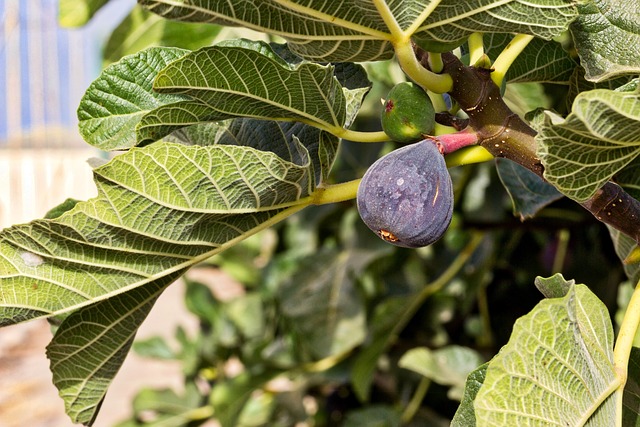
Vs 29-38 Then He told them a parable: “Look at the fig tree, and all the trees. As soon as they put out leaves you can see for yourselves and recognize that summer is already near. In the same way, when you see these things happening, recognize that the kingdom of God is near. I assure you: This generation will certainly not pass away until all things take place. Heaven and earth will pass away, but My words will never pass away. “Be on your guard, so that your minds are not dulled from carousing, drunkenness, and worries of life, or that day will come on you unexpectedly like a trap. For it will come on all who live on the face of the whole earth. But be alert at all times, praying that you may have strength to escape all these things that are going to take place and to stand before the Son of Man.” During the day, He was teaching in the temple complex, but in the evening He would go out and spend the night on what is called the Mount of Olives. Then all the people would come early in the morning to hear Him in the temple complex.
In the last lesson, we talked about the signs of the times. Here, Jesus continues to impress upon His disciples the need to be ready. We can recognize the signs all around us. Just like the fig tree, we can see when the seasons are upon us. Jesus then tells them: This generation will certainly not pass away until all things take place. The Greek word for generation is genea, which means race or family. Jesus was not speaking of the current generation standing before Him. He was speaking of a generation in light of a race or family. There are several possible interpretations of this passage. The most likely would be from the point of view of who Jesus was speaking to. They were the sons of Abraham, Isaac and Jacob. Jesus assures them that, even though there will be calamity and chaos, your genea (race or family) will not pass away until everything is accomplished. And you can count on it, because the word of Jesus will never pass away.
He then warns them to be on their guard – so that your minds are not dulled from carousing, drunkenness, and worries of life… In other words, don’t participate in anything that will dull our minds. I find it very interesting that the worries of life accompanies things like carousing and drunkenness. In truth, there is really nothing like anxiety that dulls the brain more. When we are anxious, we think of nothing else but the thing we are anxious about. I believe this is the reason Jesus said in His Sermon on the Mount: “This is why I tell you: Don’t worry about your life, what you will eat or what you will drink; or about your body, what you will wear. Isn’t life more than food and the body more than clothing?…So don’t worry, saying, ‘What will we eat?’ or ‘What will we drink?’ or ‘What will we wear?’ For the idolaters eagerly seek all these things, and your heavenly Father knows that you need them. But seek first the kingdom of God and His righteousness, and all these things will be provided for you. Therefore don’t worry about tomorrow, because tomorrow will worry about itself. Each day has enough trouble of its own. Matthew 6:25; 31-34. When we worry, we are seeking after the object of our worry. We take our eyes and minds off God, who promises to supply our every need. When we worry, we are not alert. We are not watching and waiting. We are not praying and seeking. And, when we are not watching, waiting, praying or seeking, we will be taken by surprise and fall into a trap. So get rid of anything in your life that takes your mind off Christ. Instead – keep your eyes on Jesus, the source and perfecter of your faith. Hebrew 12:2a.
Vs 21:1-6 The Festival of Unleavened Bread, which is called Passover, was drawing near. The chief priests and the scribes were looking for a way to put Him to death, because they were afraid of the people. Then Satan entered Judas, called Iscariot, who was numbered among the Twelve. He went away and discussed with the chief priests and temple police how he could hand Him over to them. They were glad and agreed to give him silver. So he accepted the offer and started looking for a good opportunity to betray Him to them when the crowd was not present.
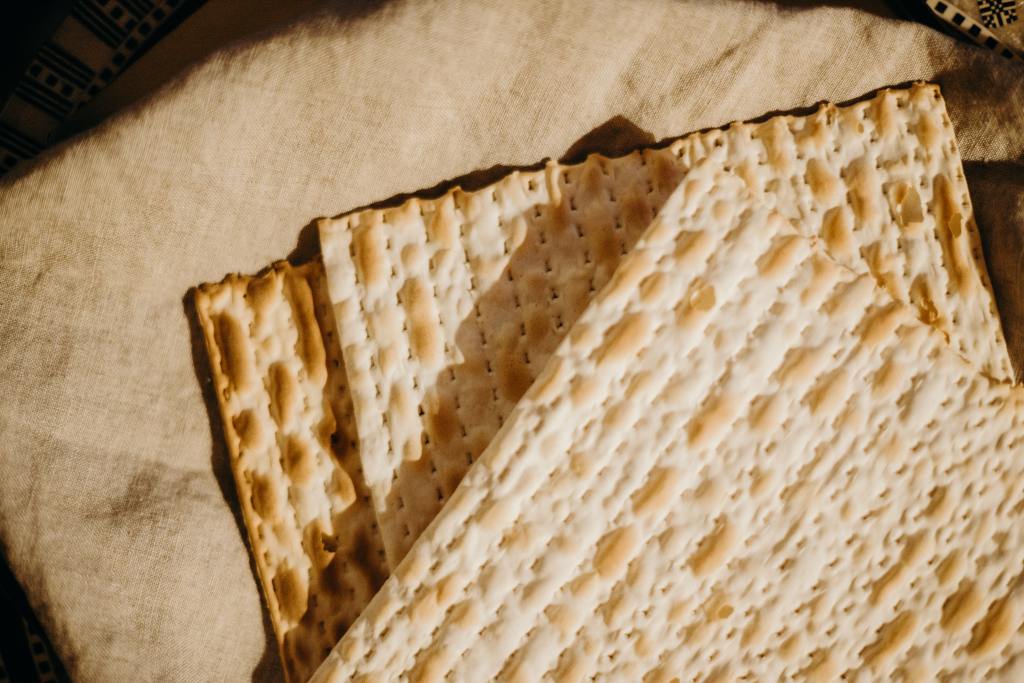
It was now time for Passover. In Leviticus 23:4-8, God gives His people their instructions concerning Passover. “These are the Lord’s appointed times, the sacred assemblies you are to proclaim at their appointed times. The Passover to the Lord comes in the first month, at twilight on the fourteenth day of the month. The Festival of Unleavened Bread to the Lord is on the fifteenth day of the same month. For seven days you must eat unleavened bread. On the first day you are to hold a sacred assembly; you are not to do any daily work. You are to present a fire offering to the Lord for seven days. On the seventh day there will be a sacred assembly; you must not do any daily work.” The Passover began on the fourteenth day of the first month with the feast of the Unleavened bread to be on the second day of Passover. The feast is the Seder meal.
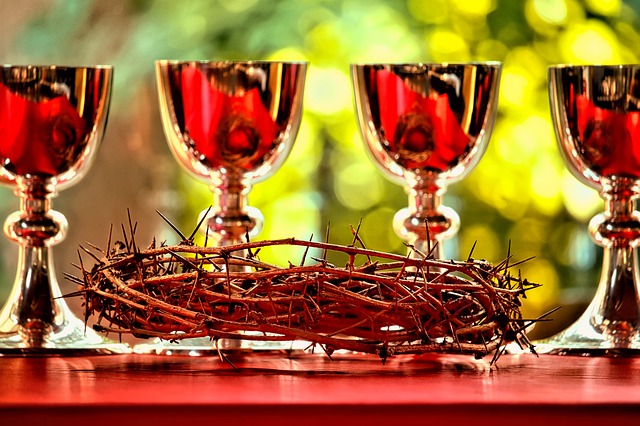
Passover was established by God for Israel back when they were captives in Egypt. It is a celebration and remembrance of all God had done for them to bring them out of their captivity and into the promised land. Each element of the Passover Seder tells the story of hardship, sacrifice and redemption. The church today only celebrates with the wine and bread, but there is so much more to the story. There are the bitter herbs that tell of the bitterness the people of Israel suffered in their captivity. There is the sweet charoset that is eaten with those herbs, telling of the promise of hope for the future. There are the 4 cups of wine, each telling its own part of the story – the cup of Sanctification, Plagues, Redemption and Praise. There is the Lamb that was sacrificed for the meal and the Unleavened Bread that tells the story of Christ’s crucifixion as the pure, unblemished sacrifice. Jesus asks us to Remember Him in the Passover. The cross was bitter, but in the cross there is the sweet hope of our salvation. He is the Lamb of God who takes away the sins of the world. And, He is the unleavened bread – pure and unblemished.
During Passover, hundreds of thousands of people come to Jerusalem to celebrate. This is the reason the chief priests and scribes were afraid. Jesus has been teaching in the temple to crowds of people each day, so, to arrest Him outright would have caused a riot. They had to plan carefully, quietly and underhandedly. Their chance comes with Judas, who, for his own reasons, decides to betray Jesus. We are unsure of his reasons. From the account above it could very well had been greed. He came seeking to exchange Jesus for a price. Perhaps he thought he could initiate a reason for Jesus to become the Messiah Judas wanted Him to be. One that would rescue them from the Roman empire and become their king. Even after following Jesus for three years, he didn’t get it.
Vs 7-23 Then the Day of Unleavened Bread came when the Passover lamb had to be sacrificed. Jesus sent Peter and John, saying, “Go and prepare the Passover meal for us, so we can eat it.” Where do you want us to prepare it?” they asked Him. “Listen,” He said to them, “when you’ve entered the city, a man carrying a water jug will meet you. Follow him into the house he enters. Tell the owner of the house, ‘The Teacher asks you, “Where is the guest room where I can eat the Passover with My disciples?”’ Then he will show you a large, furnished room upstairs. Make the preparations there.” So they went and found it just as He had told them, and they prepared the Passover. When the hour came, He reclined at the table, and the apostles with Him. Then He said to them, “I have fervently desired to eat this Passover with you before I suffer. For I tell you, I will not eat it again until it is fulfilled in the kingdom of God.” Then He took a cup, and after giving thanks, He said, “Take this and share it among yourselves. For I tell you, from now on I will not drink of the fruit of the vine until the kingdom of God comes.” And He took bread, gave thanks, broke it, gave it to them, and said, “This is My body, which is given for you. Do this in remembrance of Me.” In the same way He also took the cup after supper and said, “This cup is the new covenant established by My blood; it is shed for you. But look, the hand of the one betraying Me is at the table with Me! For the Son of Man will go away as it has been determined, but woe to that man by whom He is betrayed!” So they began to argue among themselves which of them it could be who was going to do this thing.
The Day of Unleavened Bread came and the celebration of the Seder was upon them. Jesus gives Peter and John instructions on how they were to secure a place to eat the Passover. Their question was legitimate – Where do you want us to prepare it? Here they are in a city filled to the brim with people all getting ready to prepare the Passover feast. How could they even find a place to celebrate? Jesus gives them the instructions – find a man carrying a water jug. One would think there would be many men carrying water jugs, but that would not have been the case here. Women usually carried the water jugs, so seeing a man carrying one would have been noticed by the disciples. He would have the perfect room for them to celebrate. Finally, they were all together eating the Seder and Passover meal together.
Jesus said to them, “I have fervently desired to eat this Passover with you before I suffer. For I tell you, I will not eat it again until it is fulfilled in the kingdom of God.” The Greek word for fervently is epithumia, which means a passionate longing. He couldn’t wait to celebrate this particular Passover with them. Here, He was going to reveal who He was in the meal itself. He was going to show them how He was going to fulfill this God given festival, as well as the other festivals and the Law. Every element on the Seder plate pointed to who He was and what He had come to do. From now on, they were to remember Him when they ate the Seder meal. They were to celebrate Him when they came together during this season. He was the Unleavened Bread, the cups of wine, and the Lamb of God. The bitter herbs would remind them of the cross and the betrayal, but the charoset would cover it over with the sweet message of hope. Isaiah 53:4-6 would come to life for them: Yet He Himself bore our sicknesses, and He carried our pains; but we in turn regarded Him stricken, struck down by God, and afflicted. But He was pierced because of our transgressions, crushed because of our iniquities; punishment for our peace was on Him, and we are healed by His wounds. We all went astray like sheep; we all have turned to our own way; and the Lord has punished Him for the iniquity of us all.
The cups of wine are significant in the Passover. As stated above, there are four cups, each having a particular significance. Luke mentions two cups here. The first cup and the cup after the supper. The first cup is the cup of Sanctification: “Then He took a cup, and after giving thanks, He said, “Take this and share it among yourselves. For I tell you, from now on I will not drink of the fruit of the vine until the kingdom of God comes.” The cup after the supper is the cup of Redemption. “In the same way He also took the cup after supper and said, “This cup is the new covenant established by My blood; it is shed for you.” Here He identifies Himself as the cup of redemption. His blood would be shed for the redemption of the world. After this, Jesus gives Judas permission to do what he had come to do. But look, the hand of the one betraying Me is at the table with Me! For the Son of Man will go away as it has been determined, but woe to that man by whom He is betrayed!” In Mark 14:20 it says, “He said to them, “It is one of the Twelve—the one who is dipping bread with Me in the bowl.” Judas had been there the entire time celebrating this Passover with Jesus. He had dipped his bread in the bowl of bitter herbs with everyone else and he would be the bitter herb that night in his betrayal. But, once again, the sweet hope of charoset was going to cover over that bitterness when Jesus, the Redeemer of the world would rise again, conquering sin and death.

Vs 24-30 Then a dispute also arose among them about who should be considered the greatest. But He said to them, “The kings of the Gentiles dominate them, and those who have authority over them are called ‘Benefactors.’ But it must not be like that among you. On the contrary, whoever is greatest among you must become like the youngest, and whoever leads, like the one serving. For who is greater, the one at the table or the one serving? Isn’t it the one at the table? But I am among you as the One who serves. You are the ones who stood by Me in My trials. I bestow on you a kingdom, just as My Father bestowed one on Me, so that you may eat and drink at My table in My kingdom. And you will sit on thrones judging the 12 tribes of Israel.
The last sentence in verse 23 was: So they began to argue among themselves which of them it could be who was going to do this thing. From there, it was easy for the disciples to go into a dispute about who was considered the greatest. It starts with “it isn’t me”, or “it must be you” and devolves into “well, it couldn’t be me because Jesus entrusted me with…” or “I’ve been following Him longer than you”, or “I’m more…” While the topic of who was the greatest was nothing new (read Matthew 20:20-26 and Luke 9:46-48), it boggles the mind that they would have this discussion at that moment. I guess, in one way, it does make sense. They believed Jesus had come to Jerusalem to become the Messiah they thought He would be. They were just jockeying for position at that point for a great seat at the table. Even with everything Jesus had told them, they still couldn’t conceive He would be anything else except the image they had in their minds. Jesus makes quick work, taking them down a few pegs. The greatest must become like the youngest and the leader must be the one who serves. This had to smart a bit. The youngest in the family usually got the scraps of inheritance and the one who served wasn’t even noticed. He points to Himself – Am I not the greatest? Look at Me – I am the one who serves. In just a few days, they will come to a full understanding that He is the One who will die and rise again. But for now, they still have the mistaken notion of who the Messiah is. They have a promise that they will be sitting on thrones, but they will come to understand those thrones come because they will lay their lives down for the sake of Christ.
Vs 31-38 “Simon, Simon, look out! Satan has asked to sift you like wheat. But I have prayed for you that your faith may not fail. And you, when you have turned back, strengthen your brothers.” “Lord,” he told Him, “I’m ready to go with You both to prison and to death!” “I tell you, Peter,” He said, “the rooster will not crow today until you deny three times that you know Me!” He also said to them, “When I sent you out without money-bag, traveling bag, or sandals, did you lack anything?” “Not a thing,” they said. Then He said to them, “But now, whoever has a money-bag should take it, and also a traveling bag. And whoever doesn’t have a sword should sell his robe and buy one. For I tell you, what is written must be fulfilled in Me: And He was counted among the outlaws. Yes, what is written about Me is coming to its fulfillment.” “Lord,” they said, “look, here are two swords.” “Enough of that!” He told them.
Jesus then speaks directly to Peter – You believe you will be the greatest? First, you will sifted and Satan will come at you from all sides. You think you are ready? No, you will deny me, not ones, but three times before the rooster crows. Then He says to the others. “When I sent you out without money-bag, traveling bag, or sandals, did you lack anything?” No they did not. But now, things were going to be different. Then, Jesus was still with them and they had the good will of the people. Now, Jesus was going to die, rise and ascend to His Father. They were going to have to rely on the gift of the Holy Spirit and the promises of God. Isaiah 53:12 was about to be fulfilled; Therefore I will give Him the many as a portion, and He will receive the mighty as spoil, because He submitted Himself to death, and was counted among the rebels; yet He bore the sin of many and interceded for the rebels. Jesus tells them that this Scripture will be fulfilled that very night. They need to put away their faulty ideals and notions about Him. They need to understand who He really is and what His purpose really is. They need to aware that they will indeed be put into prison and will indeed follow Christ to death. Right now, the disciples are still oblivious to the truth. They are still hanging on to their mistaken beliefs. But everything they think is about to come undone. They will have a crisis of faith beyond anything they have experienced before that. This is the crisis before the storm.

In looking back throughout my life, there have been times when I have had a crisis before the storm. My faith is tested and I am unsure of my footing, only to find out that it was a training exercise to help me deal with the storm that was coming. Sometimes it was a crisis to move me in another totally unexpected direction. One thing is sure, there will always be storms in life – those events or situations that will swirl all around us. Times when we don’t think we can go another step further. This could be a devastating financial or relationship problem. It could be a catastrophic event like what is happening right now in Maui with the fires or in California with hurricane Hillary. There are storms in life when we hear a cancer diagnosis or when our children are sick. These are times when our faith can be tested beyond our own endurance and we need to know the Savior is walking with us through it.
As hard as these are, I think those small crisis in our life can be the ones to catch us off guard. Those seemingly small events that nick away at our spiritual armor. Those things that take us by surprise – causing us to doubt just a little. Things like spoiled expectations or subtle changes when we were so sure we were walking the right path. Doors that close and windows that will not open. Carefully laid out plans that do not come to fruition. The disciples were so sure they knew who Jesus was, but they didn’t fully understand. As we will see, this crisis before the storm caused all but one to flee, deny and hide. They thought they knew the path, but then it changed overnight. What to do now? They had a plan, but things didn’t turn out the way they expected. It is in those times when we have choices to make. Do we continue to trust and fix our eyes on Jesus, or do we, like Judas, go by the wayside, or like Peter, deny, deny, deny. Do we run and hide or, do we, like John, stand at the cross in utter confusion? I have found it best to be open to all that God has for me. Be ready to make the necessary changes to be in the best place possible to do His will. For the crisis can be the catalyst to a new adventure walking with the Savior.
 Bible Study Blog