The Image of Generosity

Have you ever known anyone who has created an image of something they’re not? They want you to think they are generous, or happy, or wealthy, or superior. Here are a few examples of people who lied on their resumes just to get ahead. Celebrity chef Robert Irvine lied on his resume stating that he had designed the wedding cake for then Prince Charles, had cooked for U.S. presidents and even owned a castle. In his apology he stated he had fallen prey to the pressures of the television industry. He said he felt inadequate about his own accomplishments, so he concocted a resume that would make him look better. George O’Leary lied on his resume stating that he played football and graduated with a master’s degree from a non-existent university. This was discovered after he was hired as the head football coach for Notre Dame University. He blamed the inaccuracies on resume padding, a practice where the employee makes him/herself look better by adding or exaggerating their accomplishments. Finally, the latest in the resume padding, (or outright lying), scandals, is the highly publicized case of Representative George Santos. His lies involve lying to donors about how their money was used, lying about where he went to school, lying about where he worked, lying about his heritage and even lying about people who supposedly worked for him. He gave off an image of power, wealth and intelligence so that he could gain access to a powerful position.
I could add many more to this list, but I think you get the idea. There will always be people who wish to put on an image that is not their own. I would say that each of us, at one time or another, are guilty of doing the same thing. Times when we exaggerate an accomplishment or tell a little “white” lie to get ahead. Times when we take away or add something so we can gain something. At the heart of it all is a desire to make ourselves out to be greater than we are – to look good. It is pride in all it’s baseness. In this next passage, we will see the outcome to such base pride.
Vs 4:32-37 Now the large group of those who believed were of one heart and mind, and no one said that any of his possessions was his own, but instead they held everything in common. And the apostles were giving testimony with great power to the resurrection of the Lord Jesus, and great grace was on all of them. For there was not a needy person among them, because all those who owned lands or houses sold them, brought the proceeds of the things that were sold, and laid them at the apostles’ feet. This was then distributed for each person’s basic needs. Joseph, a Levite and a Cypriot by birth, the one the apostles called Barnabas, which is translated Son of Encouragement, sold a field he owned, brought the money, and laid it at the apostles’ feet.

We start this study with a prequel, if you will. Here you have the believers sharing what they have with one another. They are selling things of value to give so the gospel could be spread and those in need could be taken care of. They were of one heart and mind. People became more important than things. God was providing for His children through the generosity of… his children. It says “great grace was on all of them” and the outcome of this great, or megas in Greek, grace was “there was not a needy person among them.” This is mega grace, a grace far beyond the norm. When God’s mega grace is in us, the result is always thinking of others before we think of ourselves. Paul would later write in Philippians 2:3-4: Do nothing out of selfish ambition or vain conceit. Rather, in humility value others above yourselves, not looking to your own interests but each of you to the interests of the others. Right before His crucifixion Jesus says to the disciples, “A new command I give you: Love one another. As I have loved you, so you must love one another. By this everyone will know that you are my disciples, if you love one another.” This was a real world example living out the command of Jesus. You could recognize they were disciples by their love and care for one another. Out of all the people who gave, only one is mentioned by name – Joseph, a Levite and a Cypriot by birth, the one the apostles called Barnabas which is translated Son of Encouragement. Why this man? I believe it is because we will be re-introduced to him in a few chapters. We are now acquainted with his character which will bear out in his ministry.
Vs 5:1-11 Now a man named Ananias, together with his wife Sapphira, also sold a piece of property. With his wife’s full knowledge he kept back part of the money for himself, but brought the rest and put it at the apostles’ feet. Then Peter said, “Ananias, how is it that Satan has so filled your heart that you have lied to the Holy Spirit and have kept for yourself some of the money you received for the land? Didn’t it belong to you before it was sold? And after it was sold, wasn’t the money at your disposal? What made you think of doing such a thing? You have not lied just to human beings but to God.” When Ananias heard this, he fell down and died. And great fear seized all who heard what had happened. Then some young men came forward, wrapped up his body, and carried him out and buried him. About three hours later his wife came in, not knowing what had happened. Peter asked her, “Tell me, is this the price you and Ananias got for the land?” “Yes,” she said, “that is the price.” Peter said to her, “How could you conspire to test the Spirit of the Lord? Listen! The feet of the men who buried your husband are at the door, and they will carry you out also.” At that moment she fell down at his feet and died. Then the young men came in and, finding her dead, carried her out and buried her beside her husband. Great fear seized the whole church and all who heard about these events.

Now we come to the problem. Ananias and Sapphira decided to sell a piece of property to give to the needs of the church. This sounds all nice and good, except… they decided to keep back a part of the money for themselves with catastrophic consequences. Before we get to far into this, let’s clarify some things. First, selling your property and giving all the proceeds was not a condition to joining the early church. Grace is free and there is nothing we can do to earn salvation. The apostles were not demanding payment of any kind to support their work or the needs of those around them. The giving was an outgrowth of mega grace from God. Second, there was not an expectation that if you sold your property you had to give all of it to the church. Peter makes this clear when he says, “Didn’t it belong to you before it was sold? And after it was sold, wasn’t the money at your disposal?” Third, this was not a sin about money and possessions, this was a sin of the heart. The Greek word used here for “kept back” is nosphizó, which means to rob or to mis-appropriate. The Greek word for “with full knowledge”, is suneidon, which means to fully comprehend what you are doing. Ananias and Sapphira kept back the money with the full knowledge that they would be lying to God. With this in mind, let’s explore what happens.
Ananias and Sapphira are watching what is going on around them. They see all these people giving all they have, selling property, gaining recognition, and the gratitude of those around them and decide they want some of this too. But how to get this without really giving? They hatch a plan to sell a piece of property they own and pretend to give all the proceeds to the church. Little output with great reward – or so they thought. With plan in place, Ananias goes about selling his property. Keeping some back, he proceeds to go to the apostles and lays the money down at their feet. He is expecting admiration. He is expecting a gushing thanks. He is expecting to go back to his wife and say, they loved us and thought we were so great for doing this wonderful thing. But, all did not go according to plan. In fact, it came to a most horrible end. To us in the 21st century, we may find the consequences a bit harsh. Does this sin really deserve death? Why would God require this man’s life for something seemingly small compared to other “bigger” sins?
In order to better understand this, we have to understand just what their sin was. It wasn’t holding back the money. It wasn’t keeping something for themselves. It was the nosphizo with suneidon: stealing from God absolutely on purpose. This is not a money issue, it is a heart issue. In Matthew 15, Jesus addresses the Pharisees quoting Isaiah 29 when He says, “These people honor me with their lips, but their hearts are far from me.” Later in that same passage He tells the disciples “Don’t you see that whatever enters the mouth goes into the stomach and then out of the body? But the things that come out of a person’s mouth come from the heart, and these defile them.” What’s in our hearts will come out from our mouth, and be seen through our actions. What did Ananias and Sapphira really want? Praise and admiration, and they were willing to do whatever it took to get it – even lie to God. Solomon wrote in Proverbs 16:17-20; The highway of the upright avoids evil; those who guard their ways preserve their lives. Pride goes before destruction, a haughty spirit before a fall. Better to be lowly in spirit along with the oppressed than to share plunder with the proud. Whoever gives heed to instruction prospers, and blessed is the one who trusts in the Lord. Looking at verse 17 from the opposite view, the highway of those who deceive and lie will run with evil and their lives will not be preserved. This was the case in the lives of Ananias and Sapphira. Their great pride and desire to deceive brought both of them death.

Sapphira’s case takes away any illusion we may have of being a party with knowledge is not the same as being the one who does the deed. This is what the court system calls an accessory to the crime. In some cases, the person charged as an accessory will not get the same sentence, but in others they will. In this case, Sapphira receives the same sentence as her husband. She has also nosphizo with suneidon. She knowingly stole from God. Notice that Peter gives her a chance to come clean: “About three hours later his wife came in, not knowing what had happened. Peter asked her, “Tell me, is this the price you and Ananias got for the land?” “Yes,” she said, “that is the price.” Her response tells us she not only has full knowledge, but the same desire to deceive as her husband did. She wants the glory, and is willing to do anything, include lying to God, to get it. Her demise is just as dramatic as her husbands.

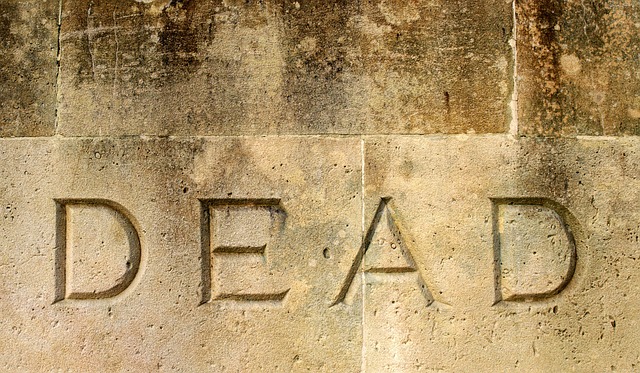
In this case, pride truly did come before the great fall. The object of their desire was to gain the glory at the cost of their relationship with God. They thought they could lie and get away with it. But, unfortunately for them, God is always aware of what is in our heart. Some years ago, I wrote a study on the Sermon on the Mount. In that study, I discovered that the heart matters. It’s not about what we project on the outside, but what is inside that counts. In Matthew 23, Jesus gives a warning about the Pharisees. He says in verses 2-5a, “The teachers of the law and the Pharisees sit in Moses’ seat. So you must be careful to do everything they tell you. But do not do what they do, for they do not practice what they preach. They tie up heavy, cumbersome loads and put them on other people’s shoulders, but they themselves are not willing to lift a finger to move them. “Everything they do is done for people to see…” Later in that same chapter He says, “Woe to you, teachers of the law and Pharisees, you hypocrites! You are like whitewashed tombs, which look beautiful on the outside but on the inside are full of the bones of the dead and everything unclean. In the same way, on the outside you appear to people as righteous but on the inside you are full of hypocrisy and wickedness.” (vs 27-28) The picture above is a wonderful example – very beautiful structure, but full of death and decay.
This is the warning that Ananias and Sapphira did not heed. They wanted to look white washed while being full of dead bones. They wanted the appearance of being a philanthropist while withholding a good portion back for themselves. Their sin was not holding back the funds, but trying to deceive God in the process. When we try to create an image of something we are not, we are creating a whitewash on the outside while lying to those around us about who we really are. Jesus said to the Pharisees in vs 25-26, “Woe to you, teachers of the law and Pharisees, you hypocrites! You clean the outside of the cup and dish, but inside they are full of greed and self-indulgence. Blind Pharisee! First clean the inside of the cup and dish, and then the outside also will be clean.” As we pursue righteousness and holiness, let’s make sure the outside of our life is a true reflection of what is inside.
 Bible Study Blog