
The Cost of Being A Disciple
In the previous chapters of Acts, we have been talking about the cost of being a disciple of Christ. So far, we have seen Believers put in prison, beaten, and killed for their faith. When the apostles, Paul, those who traveled with Paul, and other believers at this time decided to follow Jesus, they knew what they were getting into. They understood the cost and gladly walked that path. We saw John Mark leave Paul and Barnabas to go back to Jerusalem. Perhaps the cost was too much at that time. Later, he would re-evaluate and once again get on the right path. Being a Believer was definitely risky. As we continue through our study of Acts, we will find more costs. So why did they continue to follow? Why did they, knowing everything it meant, continue on a path that could lead to their death? As Paul would write in his letter to the church at Philippi, “My eager expectation and hope is that I will not be ashamed about anything, but that now as always, with all boldness, Christ will be highly honored in my body, whether by life or by death. For me, living is Christ and dying is gain.”

Vs 1-7 The same thing happened in Iconium; they entered the Jewish synagogue and spoke it in such a way that a great number of both Jews and Greeks believed. But the Jews who refused to believe stirred up and poisoned the minds of the Gentiles against the brothers. So they stayed there for some time and spoke boldly in reliance on the Lord, who testified to the message of His grace by granting that signs and wonders be performed through them. But the people of the city were divided, some siding with the Jews and some with the apostles. When an attempt was made by both the Gentiles and Jews, with their rulers, to assault and stone them, they found out about it and fled to the Lycaonian towns called Lystra and Derbe, and to the surrounding countryside. And there they kept evangelizing.
We have now traveled from Antioch of Pisidia to Iconium, about a 2 day walk east, and still in the Roman province of Galatia. We start this chapter out with an interesting sentence: The same thing happened in Iconium. What was that same thing? Once again, Paul and Barnabas began their ministry in the city at the synagogue speaking to a great number of both Jews and Gentiles who believed – but… there are always going to be those who oppose the gospel of Jesus Christ. Iconium was no exception. There were those Jews who refused to believe. The Greek word used here for refused to believe is apeitheó, which means to disobey or disbelieve willfully and perversely. These guys didn’t just not believe Paul, they worked at their disbelief! It was willful. They refused to even allow the message to penetrate their mind let alone their hearts. And, instead of just walking away, they decided to take others down with them. They poisoned the minds of the Gentiles. The Greek word for poison is kakoó, which means to mistreat, harm or oppress. They couldn’t stand that the Gentiles were following along with this, so they began to harass and stir things up. But Paul and Barnabas were not deterred. In fact, they stayed in Iconium for a while speaking boldly. Finally, things came to a head, and those opposed to the gospel planned to assault them and stone them. But, Paul and Barnabas found out about the attempt and fled. It was not time to be a martyr, so they were able to find out before hand about an attempt on their lives. They left Iconium for a time and went to the Lycaonian region to the towns of Lystra and Derbe about 20 miles south. There they continued to preach the gospel.
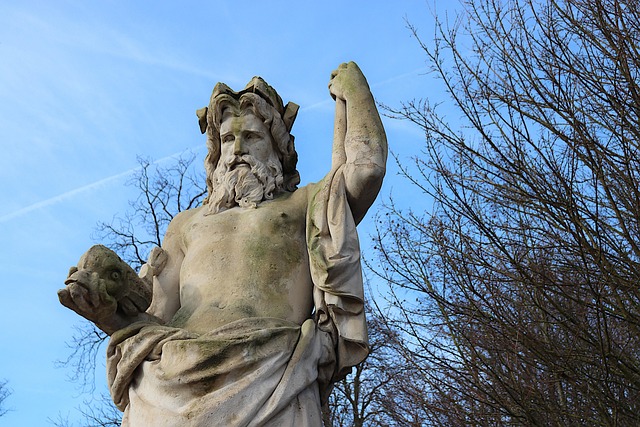
Vs 8-20a In Lystra a man without strength in his feet, lame from birth, and who had never walked, sat and heard Paul speaking. After observing him closely and seeing that he had faith to be healed, Paul said in a loud voice, “Stand upright on your feet!” And he jumped up and started to walk around. When the crowds saw what Paul had done, they raised their voices, saying in the Lycaonian language, “The gods have come down to us in the form of men!” And they started to call Barnabas, Zeus, and Paul, Hermes, because he was the main speaker. Then the priest of Zeus, whose temple was just outside the town, brought oxen and garlands to the gates. He, with the crowds, intended to offer sacrifice. The apostles Barnabas and Paul tore their robes when they heard this and rushed into the crowd, shouting: “Men! Why are you doing these things? We are men also, with the same nature as you, and we are proclaiming good news to you, that you should turn from these worthless things to the living God, who made the heaven, the earth, the sea, and everything in them. In past generations He allowed all the nations to go their own way, although He did not leave Himself without a witness, since He did what is good by giving you rain from heaven and fruitful seasons and satisfying your hearts with food and happiness.” Even though they said these things, they barely stopped the crowds from sacrificing to them. Then some Jews came from Antioch and Iconium, and when they had won over the crowds and stoned Paul, they dragged him out of the city, thinking he was dead. After the disciples surrounded him, he got up and went into the town.
Let’s start with a bit of background. There was a legend, written by Ovid, a Roman poet, in his Metamorphoses about a visit from Zeus and Hermes who disguised themselves as mortals seeking hospitality. The only people who gave them hospitality was one older couple who received a blessing for their hospitality. Those who denied hospitality faced an undesirable punishment. As noted in the passage, there was a temple to Zeus outside the Lystra, so the people would have been very aware of this legend. So, when Paul heals the lame man, the people naturally thought this was Zeus and Hermes once again coming to them in human form. They thought Barnabas was Zeus and Paul Hermes and began to speak to one another in the Lycaonian language. This would not have been a language Paul or Barnabas would have been familiar with as it was a local dialect, so they would have been unaware of what the people were saying at first. This explains their surprise and then anguish when they realized what was going on. They quickly begin to try to head the god worship off by explaining that they were not gods, and then pointed to the true God. Even then, the crowds continued to try to sacrifice to them. Meanwhile, some of the unbelieving Jews had traveled to Lystra and began to stir up trouble for them. It could remind us of the same zeal Paul had when he traveled to Damascus to hunt down the believers. They succeed in turning this crowd against Paul as they finally understood they were not indeed gods. Paul ends up being stoned, they thought, to death, and dragged outside the city. Paul recounts this incident in 2 Corinthians 11:25 – “Once I was stoned by my enemies.” Instead of leaving this city, Paul gets up and goes right back into Lystra for the night. In case we believe that all was lost in Lystra, I want to point out one very significant Believer there – Timothy.
Vs 20b-28 The next day he left with Barnabas for Derbe. After they had evangelized that town and made many disciples, they returned to Lystra, to Iconium, and to Antioch, strengthening the disciples by encouraging them to continue in the faith and by telling them, “It is necessary to pass through many troubles on our way into the kingdom of God.” When they had appointed elders in every church and prayed with fasting, they committed them to the Lord in whom they had believed. Then they passed through Pisidia and came to Pamphylia. After they spoke the message in Perga, they went down to Attalia. From there they sailed back to Antioch where they had been entrusted to the grace of God for the work they had now completed. After they arrived and gathered the church together, they reported everything God had done with them and that He had opened the door of faith to the Gentiles. And they spent a considerable time with the disciples.
The next day, Paul and Barnabas travel about 60 miles southeast of Lystra. This is pretty remarkable considering Paul had just been stoned the day before. This shows us God’s miraculous healing and protection for Paul at that time. Paul’s ministry was far from over. Their time in Derbe was very fruitful and they made many disciples. Instead of going home from there, they returned to the three cities that had given them the most grief – Lystra, Iconium and Antioch of Pisidia. They could have abandoned them, given what had taken place in those cities, but they didn’t. There were disciples in each of these towns and they needed to be encouraged and strengthened. What was Paul and Barnabas’ message? “It is necessary to pass through many troubles on our way into the kingdom of God.” The Greek word for necessary is dei, which means, it must be and it is binding that. They were telling the new believers, you must pass through many troubles on the way to the kingdom of God. Not maybe or you might, but you must. They then appointed several elders and leaders, prayed with them, fasted with them and committed them to the Lord. Then they went to a few other places, finally returning to Antioch in Syria. Thus ends the first missionary journey.
So what does this passage have to say to us? It is dei that we pass through many troubles. That is the cost of being a disciple of Christ. This message of suffering is something we do not hear, or want to hear, about. Instead, there are many counter messages to this: 1. suffering hinders our faith – have you ever heard this: if you have enough faith then you can have wealth and health, or just name it and claim it. This is not to say we shouldn’t pray for healing or for blessings. I have seen miraculous healing in my lifetime and oh so many blessings from God, but the fact is, healing doesn’t always come in this lifetime. It’s at those times that our faith cannot falter. If we believe Christians should not suffer, then our faith will fail. 2. God always wants to comfort us; – this sounds good, but it gets the focus wrong. It makes it all about us, not about God. By saying God is there for our comfort, we forget that our focus needs to be on Him and His glory. We are to be about the things of God, not the other way around. 3. this life is all there is – this belief focus’ only on what we can have now, instead of a having a hope for future grace in the kingdom of God. The fact is, these messages actually hinder our faith and stump our growth as believers.
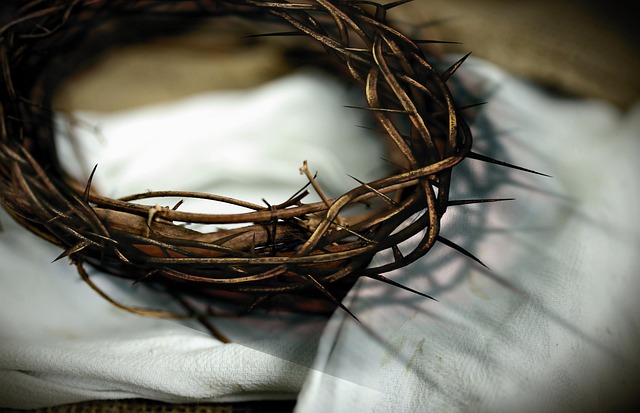
In case we still have doubts about this suffering thing, let’s look at what Jesus says about it. “From then on Jesus began to point out to His disciples that He must go to Jerusalem and suffer many things from the elders, chief priests, and scribes, be killed, and be raised the third day. Then Peter took Him aside and began to rebuke Him, “Oh no, Lord! This will never happen to You!” But He turned and told Peter, “Get behind Me, Satan! You are an offense to Me because you’re not thinking about God’s concerns, but man’s.” Whoa! The response to Peter’s rebuke was immediate and to the point. Jesus didn’t pull any punches here – get behind me Satan! The idea that there wouldn’t be a suffering servant (Isaiah 53:3) was off the table. Just to make sure they got it, Jesus follows up with this familiar passage: “If anyone wants to come with Me, he must deny himself, take up his cross, and follow Me. For whoever wants to save his life will lose it, but whoever loses his life because of Me will find it.” There is a cost to being a disciple of Christ and it will involve suffering of some kind. What will be the result of all this suffering? Paul tells us in Romans 5:3-5: “And not only that, but we also rejoice in our afflictions, because we know that affliction produces endurance, endurance produces proven character, and proven character produces hope. This hope will not disappoint us, because God’s love has been poured out in our hearts through the Holy Spirit who was given to us.”
 Bible Study Blog