For the choir director: with the flutes. A Davidic psalm.
Psalm 5 is a wonderful prayer. It gives us a unique look at David’s relationship with God. In this Psalm, David was dealing with a particular challenge, which he brought before the Lord. He needed to receive strength and joy to go through his day amidst the many adversaries he had to deal with. Not only his own personal rivals, but the enemies of God as well. This prayer is also a template for us as we rise in the morning to start our day. What is the first thing we do? Where is the first place we go? Being honest, for me, at times, it is in my chair with my tea and my phone reading about all the bad news that happened while I was sleeping. This Psalm reminds me how to start my day – crying out to God and then, waiting expectantly for His answer.
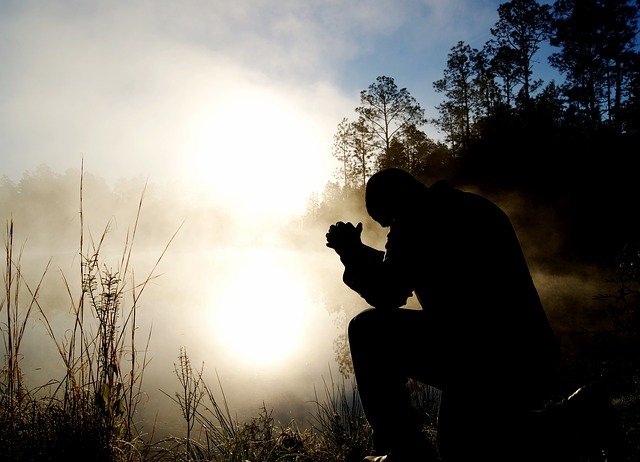
Vs 1-3 Listen to my words, Lord; consider my sighing. Pay attention to the sound of my cry, my King and my God, for I pray to You. At daybreak, Lord, You hear my voice; at daybreak I plead my case to You and watch expectantly.
Three times David petitions the Lord: listen to my words, consider my sighing, pay attention to my cry. Why is three so significant? When you see something in three’s, it is meant as an emphasis. David is not just saying his morning prayers, he is emphasizing them. In the same way we say, Holy, holy, holy, meant as a definition of God’s ultimate and absolute holiness, David is saying listen, consider, pay attention to define this prayer as something that is absolutely important.
Not only that, he is waking up in the early morning to bring this important prayer to God. He is starting out his day, his first waking moment, in prayer. The next phrase we read is “I plead my case and watch expectantly.” I want to point out the Hebrew word for the phrase “plead my case”. This translation does not give a complete picture of what David is trying say. Other translations use the phrase “I direct”. Even that falls short of capturing what David has so beautifully painted for us. The actual Hebrew word is arak, and it means to order or arrange. A direct Hebrew translation says this: Hashem (The Name of God – Yaweh) at dawn hear my voice, at dawn as I arrange my prayer before You and I wait expectantly. So what does David mean by “I arrange my prayer before You?” What picture has he painted for us? It is a picture of what happens in the Tabernacle of God. The shewbread is arranged on the table. The wood and the sacrifice are arranged on the altar. David’s prayer is being laid out before Almighty God in the morning hour in the same way the priest laid out the sacrifice upon the altar. He is petitioning God, and then he, like the priest with the sacrifice, will wait expectantly on God to do something. This is not a haphazard or random prayer. It is specifically arranged and there is an expectation that God will answer.
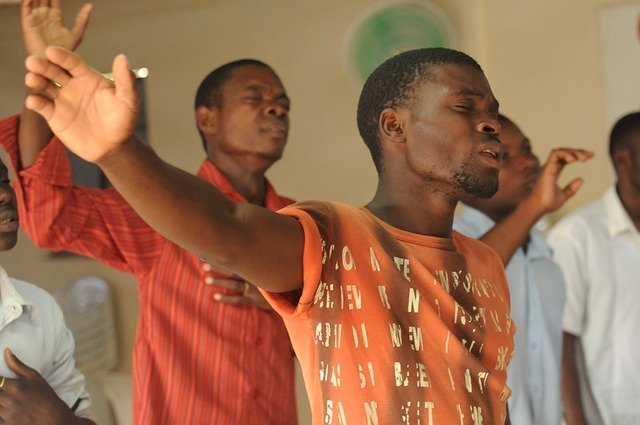
One of the things I have heard over the many years in prayers is a randomness and lack of expectation. I have had the privilege in my life to have been a part of two extraordinary prayer groups. These groups were made up of men and women who got down to it. The first was at Ball State University where I served as a campus minister. The group was made up of several campus ministers from several denominations. Our common denominator was our deep and passionate belief in Jesus as the Messiah. This group taught me to pray in specifics and we began to see some pretty amazing things happen as we prayed for God to work in the lives of the students and teachers on that campus. The next group I was a part of was a few years later when I lived in London. This was another amazing group of men and women from several denominations who prayed fervently for the bough of London we lived in. I had just moved to London and was in search of a place to live. I had a very specific prayer request for them as I had some very specific needs for the ministry I was involved in. The place I lived at was going to be key. Within that week, God provided the perfect place for me to live – and when I say perfect, He answered every single specific request and then some. The next week, I reported to the group. After the prayer group was over, a young pastor came to me and said, “I was a bit taken back last week at your so specific request. I have to admit, I didn’t really believe. I understand now though. We must be specific in our prayers.” Some of you may disagree, but I believe it is too easy to tag “if it is Thy will” on our prayers. Frankly, I believe we use this tag because we don’t have enough faith. We want to give ourselves an “out” just in case things don’t come out the way we want them to. Here’s the truth – It IS God’s will that “His will be done on earth as it is in heaven.” Otherwise, Jesus would not have taught us to pray this way. So, if I believe it is God’s desire to see His will done on earth as it is in heaven, then I have to believe that it is His will to heal, to put down the wicked, for all people to come to faith, for lives to be changed in a dynamic way, and for our churches to be a light to the world. I don’t have to use the tag “if it be Thy will” because I know these things to be the will of God. If we really believe what the Lord’s Prayer teaches us, we have to pray that way in faith. David understood this, not because of the “Lord’s Prayer” but because He had an intimate amazing relationship with God and knew exactly what God wanted. So he lined up – arranged – his prayer with that in mind. How do I know this? Read this next section.
Vs 4-6 For You are not a God who delights in wickedness; evil cannot dwell with You. The boastful cannot stand in Your presence; You hate all evildoers. You destroy those who tell lies; the Lord abhors a man of bloodshed and treachery.
There is no ”I don’t think you are a God who…” No, David says – You Are Not A God who… Definitive and absolute. David knew God. He knew that God was righteous and holy and would not stand for evil, boastfulness, arrogance and lies. He knew God would not abide treachery. David makes these definitive statements in faith. I know who You are and I will pray accordingly!
This is the real question when it comes to our prayer life: how well do we know God? Do we know God and His will? We may not know all the tiny specifics of God’s will for our lives, but we do know who He is. He tells us in His Word. He is holy, righteous, full of love and mercy and He will forgive the repentant heart. We know nothing has changed – He is the same yesterday, today and tomorrow. He still doesn’t delight in wickedness, boastfulness, arrogance, evil, lies… We know God “wants everyone to be saved and to come to the knowledge of the truth,” 1 Timothy 2:4. We don’t have to pray “if it be Thy will”. We already know what His will is, and can pray confidently in it. What we really need to concern ourselves with is how we approach the throne of God. David tells us in the next verses.
Vs 7-8 But I enter Your house by the abundance of Your faithful love; I bow down toward Your holy temple in reverential awe of You. Lord, lead me in Your righteousness because of my adversaries; make Your way straight before me.
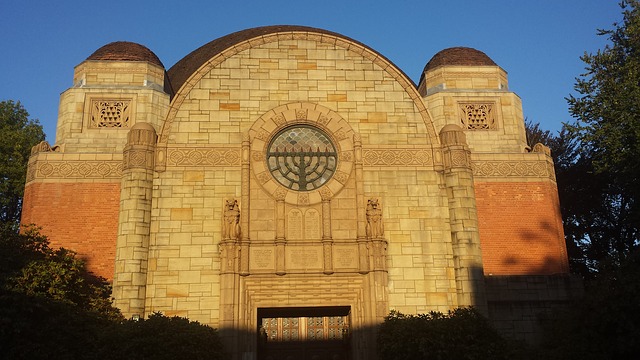
David entered God’s house because of His abundant faithful love. He entered into prayer in reverential awe of God. His first prayer was for God to lead him in righteousness. He wanted to walk in God’s way – “make Your way straight before me”. He wanted to come before God in the same way the high priest came into the Holy of Holies. They had to make sure they came before God with clean hands and a clean heart. The high priest had a ritual to follow in order to come before God in the Holy of Holies. They didn’t come in arrogance, they came in reverence, fear, awe and an understanding of their own sin and God’s great mercy.
We also come before the Lord in the knowledge that the veil has been ripped in two and Jesus is our high priest. “Therefore, since we have a great high priest who has passed through the heavens—Jesus the Son of God—let us hold fast to the confession. For we do not have a high priest who is unable to sympathize with our weaknesses, but One who has been tested in every way as we are, yet without sin. Therefore let us approach the throne of grace with boldness, so that we may receive mercy and find grace to help us at the proper time.” Hebrews 4:14-16. We also come before God in awe and reverence – a holy fear – with the understanding that “all have sinned and fall short of the glory of God. They are justified freely by His grace through the redemption that is in Christ Jesus. God presented Him as a propitiation through faith in His blood, to demonstrate His righteousness, because in His restraint God passed over the sins previously committed. God presented Him to demonstrate His righteousness at the present time, so that He would be righteous and declare righteous the one who has faith in Jesus,” Romans 3:23-26. We come before God, asking Him to make His way straight before us. This way we don’t have to question “what is God’s will?” When the path is straight, we have no problem navigating it. And now, we come to David’s challenge. What is he about to lay out before the Lord?
Vs. 9-11 For there is nothing reliable in what they say; destruction is within them; their throat is an open grave; they flatter with their tongues. Punish them, God; let them fall by their own schemes. Drive them out because of their many crimes, for they rebel against You.
David knew the will of God. There was no doubt in his mind that what he was going to ask was something God would answer. This isn’t a timid request. It is bold and specific: Punish the wicked O God. Let them experience the full consequence of their sin. In fact, drive them out, away from your presence, because of their many crimes. The Hebrew word for punish is asham, which means to find them guilty. David doesn’t want an acquittal. These are people who are arrogant in their sin. They are blatant in their disobedience. They fly in the face of truth. This is a no tolerance for sin in this prayer.

Today, tolerance is a word batted around everywhere. You find it all over social media. So, what is tolerance really? Here is a definition: To tolerate, is to allow the practice of something you don’t like or agree with, without interference. I believe tolerance is often mistaken for acceptance. There are those in this world today that say they want tolerance, but what they really want is acceptance. The graphic above is a great example of that. In reality, there is a big difference between the two. I can still tolerate something while still not consenting to or participating in it. I can tolerate it – not interfere with it – and still speak against it. At the same time, there will be things we can neither tolerate, nor accept. There are sins so egregious, we must interfere. We cannot ignore blatant sin when we see it for, as believers, we are to walk in grace while still seeking after holiness. We are to unequivocally speak truth and walk in righteousness because we love God and want to be like Him. Receiving grace is a wonderful and, at the same time, a complex thing. We cannot compromise when it comes to righteousness, and yet, we walk as sinners who have received the amazing grace and mercy of God. This puts us in the unique position to show others how to come to that same grace.
Vs 11-12 But let all who take refuge in You rejoice; let them shout for joy forever. May You shelter them, and may those who love Your name boast about You. For You, Lord, bless the righteous one; You surround him with favor like a shield.

David finishes his prayer by extolling God and recounting his many blessings. We can read about the blessings God poured out on David throughout the Psalms. He knows “God is His refuge and strength, a helper who is always found in times of trouble,” Psalm 46:1. In Psalm 95:1, David says, “let us shout joyfully to the Lord, shout triumphantly to the rock of our salvation!” He acknowledges God in Psalm 5:11: “let all who take refuge in You rejoice; let them shout for joy forever. May You shelter them, and may those who love Your name boast about You.” Finally, David says, “But You, Lord, are a shield around me, my glory, and the One who lifts up my head,” Psalm 3:3. We can see in this conclusion, God has been David’s refuge, shelter and shield throughout his life. David knows to Whom he must turn in times of strife, joy, and danger.
As we learn to pray in a more fervent and powerful way, remember these wonderful lessons from David. Pray in faith, knowing it is absolutely God’s will to see His will done on earth as it is in heaven. Arrange your prayers and lay them at the feet of Jesus, our high priest who will intercede for us before the throne of God. Come before God humbly, in awe and reverence. Pray for God to lay out a straight path to Him, then be specific. If you follow that straight path, it will lead you to know the will of God. And finally, lifts up your prayers to God in the morning. Make it the first thing you do before the tea/coffee and “newspaper”. Know who it is you can turn to during all the times of your life: in strife, in joy, in danger… Then, wait expectantly for God to answer.


A wonderful reminder of how to spend the first part of my day, each day. Thank you!
LikeLiked by 1 person